


I used to think travel was just an escape. Now, I believe it's a chance to find yourself by losing yourself. Getting closer to nature, culture, and people opens up the heart and quiets the mind. It is in these moments—away from the daily grind—that true magic happens. Great travel isn't just about moving your eyes across a view; it's about touching something real and letting it touch you back.
This June, I was back in Yunnan for another research trip.
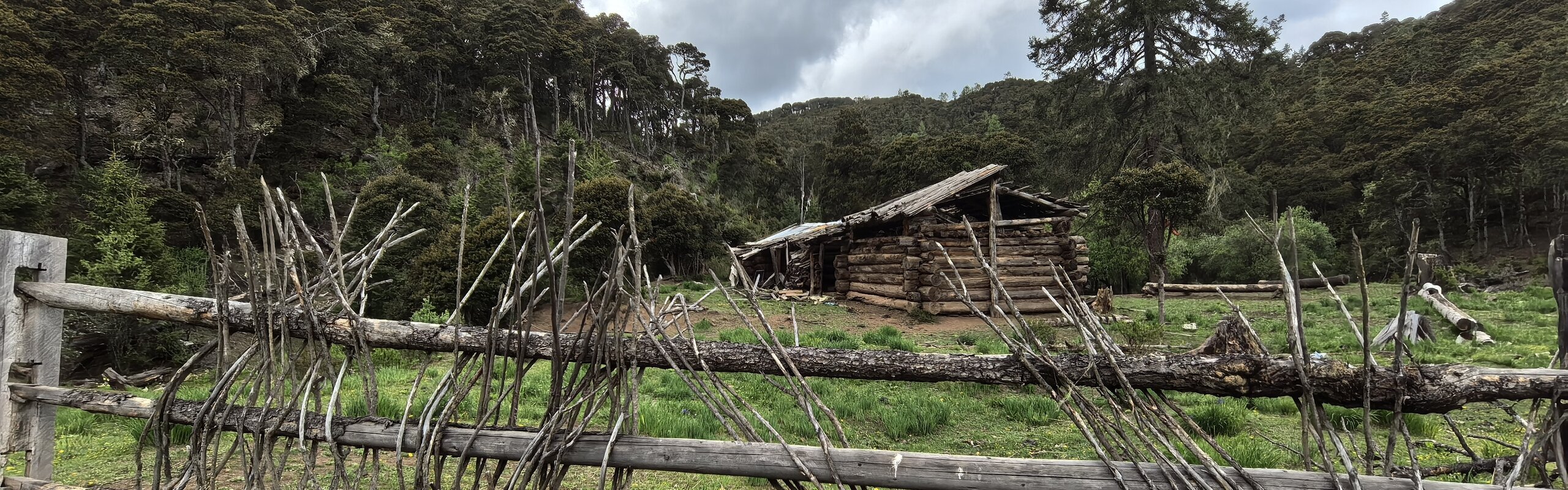
One morning, we were hiking through the forests near Napahai (Napa Lake) in Shangri-la when I spotted a small wooden cabin sitting alone in a quiet meadow.
There was nothing around it. No smoke. No yaks. No people. Just an empty cabin.
Our Tibetan guide smiled and pointed toward it. "An old grandmother used to live here."
For years, she looked after her yaks on this mountain with her husband. After her husband passed away, her children convinced her to move back to the village.
Life had become easier. Tourism had brought more opportunities. She didn't need to stay here anymore.
I stood there looking at the empty cabin. And then I caught myself thinking something I wasn't proud of. I wished she was still here.
I imagined her milking yaks outside the cabin while I quietly watched from a distance. It would have been such a beautiful travel moment.
Then another thought stopped me. Why was I wishing an old woman would spend her old age alone in the mountains… just so I could have the experience I wanted?
Later that day, I visited a Tibetan family by the lakeside.
Seven years ago, I had sat inside this very home. Back then, it was a traditional two-story timber house.
A cattle pen stood in the yard. Inside, a huotang (fire pit) was the heart of the living room, surrounded by wooden walls covered with faded, century-old paintings. It felt untouched. Almost frozen in time.
But this time, things were different.
The house had grown into a three-story brick-and-timber building. A modern glass roof had been added to bring in more light and warmth.
The old wooden carvings were still there. The paintings remained The fire pit was still burning. But I could see the changes.
This was no longer just a family home. It had become a place that welcomed travelers.
And once again, that familiar feeling came back. A small sense of loss.
Had something precious disappeared? Had tourism slowly taken away the authenticity I had come to find?
Then I looked at the hostess. Seven years ago, she was quiet and shy. She rarely spoke.
Today, she welcomed us with confidence. Her face was brighter. She talked proudly about her home and the life her family had built.
And suddenly, I realized something. I was mourning a version of her life that she had never asked to keep.
I wanted to preserve the old house because it matched my image of a "traditional Tibetan home."
But she wanted something else. A warmer house. A better life. More opportunities for her family.
Who was I to ask people to remain unchanged just so their lives could fit my idea of authenticity? That moment changed the way I looked at authenticity.
For a long time, I had unconsciously believed that the most authentic places were the ones that changed the least.
An old wooden house. A traditional lifestyle. A village untouched by modern life. These were the images many travelers, including me, hoped to find.
But perhaps that was never the right question. A culture is not authentic because it stays exactly the same. A culture is authentic because it continues to live.
The fire pit was still the heart of the home. The traditional paintings were still cared for. The stories behind them were still remembered. The family had not abandoned their heritage. They had carried it into a new chapter.
A glass roof did not erase the meaning of the house. A guest room did not make their traditions less real. They were not preserving culture for visitors to admire. They were living with it in their own way.
And standing there, I understood another side of authenticity.
Maybe that is what travelers should truly hope to witness. Not a frozen version of the past. But a community choosing its own future while carrying its roots with it.
Sometimes, what deserves to be protected is not a way of life frozen in the past. It is the natural rhythm that allows life to continue.