
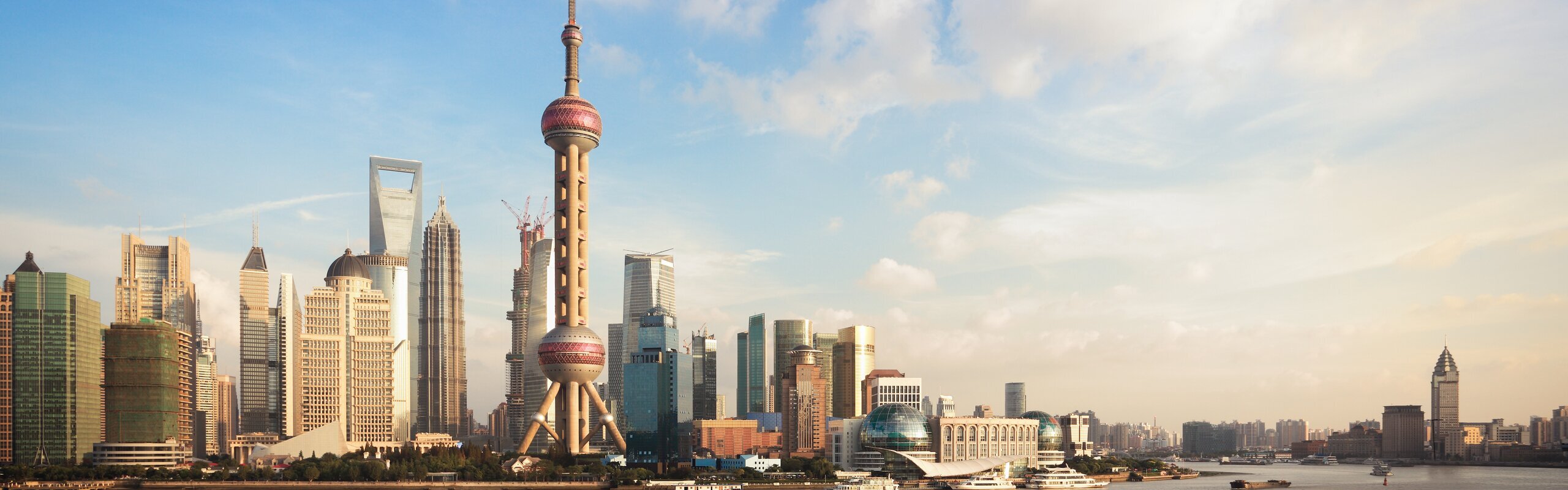

For most first-timers, Shanghai is often the first or last stop on a China trip. However, many still aren't sure how to actually "use" the city in their itinerary.
If you only have two or three days in Shanghai, it's tempting to squeeze every famous attraction into your itinerary. That's also why many first-time visitors leave feeling they spent more time crossing the city than enjoying it.
The easiest way to explore Shanghai is to plan each day around one part of the city instead of a checklist of sights.
You'll still see Shanghai's highlights, but you'll also have time to enjoy the cafés, local food, riverside walks, and neighborhoods that make the city memorable.
- Why You Should Plan by Neighborhood
- How Many Days Do You Really Need?
- How to Spend Each Day
- Best Areas to Stay in Shanghai
- The Best Time to Visit
- FAQs
Why You Should Plan by Neighborhood, Not Attractions

Remember one thing before planning your days in Shanghai: the quality of your trip will depend less on how many places you visit, and more on how little you move between different parts of the city.
Shanghai is vast, and its highlights are scattered across districts. Most first-timers try to squeeze the Bund, the Former French Concession, and Shanghai Tower, which are from three distinct districts, into a single day, which makes chasing must-see sights feel exhausting.
Try planning your days by neighborhood. To truly feel the city, it's better to dedicate a half-day or full day to only one district, exploring its sights and its unexpected corners all in one go.
For example, combining the Bund, Nanjing Road, and Yu Garden in the same day gives you a walkable itinerary in Huangpu District, with a flexible pace and deeper experience.
This approach respects the city's scale and rewards you with surprises that no guidebook mentions—hidden courtyards, laid-back locals, and quaint little stalls that you would never spot from a taxi window.
Your days in Shanghai should not just be about sightseeing. They should be about truly experiencing the city, one neighbourhood at a time.
How Many Days Do You Really Need?
Shanghai is a city that rewards time, but it is also remarkably accommodating to shorter stays. Not all attractions are created equal, and knowing the real time commitment helps you plan realistically.
A 3-day stay is our most recommended; it balances visiting major attractions with a leisurely sightseeing pace. However, the right length depends entirely on your travel style and what you hope to take away from the trip.
2 Days: Focus On the Classic Core
Two days are okay for a quick stopover, a brief first warm-up on a trip to China, or a relaxed final stop.
With this timeframe, you should focus exclusively on the classic core: the Bund, Nanjing Road, the Yu Garden, and the Pudong skyline. This is a highlight reel, not a deep dive, which is perfectly fine for a first taste.
You can easily cover all these Shanghai's greatest hits without feeling rushed, if only you stay disciplined and resist the urge to add "just one more" attraction.
3 Days: The Sweet Spot for First-Timers
Three days is the most commonly recommended length for first-time visitors, giving you enough room to see the major landmarks without rushing, while also allowing for one slower day.
The classic three-day structure looks like this: two days for the core sights (the Bund, Nanjing Road, Yu Garden, and Pudong Skyline), and one full day dedicated to the Former French Concession.
This third day is where the magic happens.
No need to be rushed to ticket booths or squeeze yourself into the observation decks; just enjoy a walk along leafy streets, hopping café stops, and the kind of unhurried wandering that makes a city feel like your own.
If you appreciate the charm of classic Chinese water towns, you might consider skipping the strolls through the Former French Concession and instead visiting Zhujiajiao or Tongli water towns to admire the classical aesthetics of Jiangnan.
4-5 Days: Explore the Complete Shanghai, or Its Nearby Cities
For most travelers, four to five days is the ideal length to plan a trip with a higher tolerance for emergencies.
You can tick off the classics, spend a full day in the Former French Concession, or add a detour, whether that is Disneyland, a day trip to a water town like Zhujiajiao, or simply revisiting a neighborhood you liked, and still have a buffer day.
Don't underestimate the extra day that gives you weather flexibility and room to rest. Shanghai is a walking city, and fatigue is real.
With four or five days, you never have to choose between seeing something and catching your breath. You can do both.
Still deciding how long to spend in Shanghai? We can help you balance Shanghai with destinations like Suzhou, Hangzhou, or Beijing based on your interests instead of following a fixed route.
How to Spend Each Day Without Crossing the City
Shanghai's attractions are clustered into distinct neighborhoods.
For a smooth and leisurely pace, try your best to dedicate each day to only one area and explore it thoroughly, letting the neighborhood itself become the experience rather than a collection of disconnected stops.
Day 1: The Bund & Huangpu Core
Begin your day at the historic heart of Shanghai, the Bund, arrive before 8:30 AM if you want to see locals exercising and photograph the skyline without tour groups.
You can enjoy a quiet walk along the riverbank, taking in the colonial-era architecture on one side and the futuristic Pudong skyline on the other. By around 9:30 AM, group tours begin arriving, and the promenade becomes noticeably busier.
From there, walk west into Nanjing Road, one of Shanghai's most famous shopping streets.
Unless shopping is one of your priorities, treat Nanjing Road as the easiest walking route between the Bund and Yu Garden rather than a destination on its own.
In the afternoon, head to Yu Garden and the surrounding City God Temple bazaar. This is Shanghai's remaining side of traditional China, with classical pavilions, winding bridges, and lively street food stalls.
End your day back at the Bund for the spectacular nightly view, when the entire skyline illuminates across the river.
Why this works: This route covers Shanghai's most iconic highlights, with everything reached within walking distance. No taxis, no metro transfers, just a comfortable day of strolling through Shanghai's postcard-like corridors.
Day 2: The French Concession & Jing'an District
Dedicate your second day to Shanghai's most walkable neighborhood.
Start at Wukang Road and the iconic Wukang Building, then wander through the leafy streets of the former French Concession. This area is packed with historic villas, boutique shops, and street-side cafés that feel a world away from the skyscrapers.
Turn north to explore Anfu Road for vintage stores, stop for coffee at a garden café, or a street-front restaurant for lunch.
If time allows, you can visit the nearby Jing'an Temple or Jade Buddha Temple for a Buddhist touch, or the creative hub of Tianzifang for shopping around.
Why this works: The Former French Concession is a self-contained universe of charm. You do not need to leave it to have a full, satisfying day, but just wander, discover, and let the neighborhood reveal itself.
Day 3: Pudong & Modern Shanghai
Cross the river on your third day by ferry to experience Shanghai's futuristic side.
Visit the observation decks of the Shanghai Tower before 9 AM for a much shorter wait than the late-morning peak. Then you can enjoy panoramic views of the city from the highest building in Shanghai.
After taking stunning photos of the Bund skyline by the water, you can add the Shanghai Museum (East Branch) for cultural appreciation, or the DJI Retail Store for high-tech product experiences.
Why this works: Pudong is best experienced as a dedicated day, not squeezed between other districts. The skyline views are the main event, and rushing through them defeats the purpose.
Only Add a Day Trip If You Have Four Days or More
If you have four or five days in Shanghai and want to escape the city, you have several excellent day-trip options. But not every destination suits every traveler. Here is a quick decision guide to help you choose the right one.
| You want... | Go to... | Why |
|---|---|---|
| Classical Chinese gardens & UNESCO heritage | Suzhou | Admire world-class gardens with a 30-min train. |
| Lake views, tea culture | Hangzhou | See the UNESCO West Lake and tea plantations with a 45-min train. |
| Water town, minimal travel distance | Zhujiajiao Water Town | Dedicate one or half a day to exploring with a direct 2-hour metro. |
| Quiet, authentic, uncrowded | Tongli Water Town | Get a residential feel with fewer tourists by a 2-hour taxi. |
| Nature, mountains, forests | Skip it | Shanghai is not a typical nature destination. |
Best Areas to Stay in Shanghai for First-Time Visitors
The Bund's night skyline is the single most defining image of Shanghai, and is also the biggest factor driving hotel prices. A room with that iconic river view can easily cost three times more than a similar room without it.
For first-time visitors, the smartest choice is to prioritize location over luxury.
The good news is that most of Shanghai's major attractions are concentrated in or around Huangpu District, so you do not need to venture far to stay central. The real question is which flavor of central fits your style.
The Bund: Shanghai's Iconic Waterfront
Staying on the Bund puts you at the heart of Shanghai's historic charm, where colonial-era architecture faces the futuristic Pudong skyline.
Imagine watching the nightly light show after nightfall, and stepping out of your hotel straight to be a part of the scenery is an experience in itself.
The trade-off is simple: you pay for the view, or you walk a few minutes or longer to enjoy it for free.
Hotel Recommendations
Top-tier properties like the Peninsula Shanghai, Waldorf Astoria Shanghai On the Bund, and Bellagio Shanghai deliver relatively unobstructed views, and short access to the city's most photographed stretch.
For a more budget-friendly Bund-adjacent option, Sunrise On The Bund Hotel on the North Bund sits just across the Suzhou Creek and offers walking-distance convenience at a much lower price point.
Pudong CBD: Great For Business Travelers
Across the Huangpu River, Pudong is Shanghai's financial heart, which appeals most to business travelers for its short commute and advanced facilities.
However, for first-time leisure travelers, you may find Pudong a bit plain. The Bund's historic charm is just a cab ride away, but the neighborhood itself lacks the walkable, character-filled streets of the older districts.
Reserve Pudong as a one-night splurge for the view, not as your primary base.
Hotel Recommendations
The Mandarin Oriental, with its riverside views and stunning night skyline, adds a touch of understated luxury.
The J Hotel at Shanghai Tower currently claims the title of the city's highest hotel, offering unparalleled panoramic views on clear days, when you can see the entire city lying beneath you.
The Former French Concession: Charming Streets with A Relaxed Pace
This leafy district offers Shanghai's most walkable and romantic neighborhood.
Tree-lined avenues, historic villas, boutique shops, and hidden cafés define the experience here, making it perfect for travelers with one or two free days to simply wander and explore.
The drawback? You may need to take a taxi or metro to reach the Bund, Nanjing Road, and other major sights. But for many first-timers, the trade-off is totally worth it: you trade the postcard view for a more intimate, local feel.
Hotel Recommendations
The Hengshan Garden Hotel sits near the iconic Wukang Building and Soong May-ling's former residence, with plenty of independent shops and eateries within a ten-minute walk.
Nanjing Road: Highly Commercialized for Shopping Around
Nanjing Road is one of Shanghai's most famous shopping streets, packed with flagship stores and fancy dining options, which makes it incredibly convenient for first-timers.
Staying here puts you right in the middle of the retail action, with the Bund just a fifteen-minute walk away. This could work great for you if shopping is your thing, or you want everything at your doorstep.
However, the crowds can be overwhelming, which makes it less than a relaxing base; hotel prices fluctuate significantly depending on the season, and many properties in this area show their age.
Hotel Recommendations
The most central option is the Shanghai Grand Hotel, while the Shanghai Marriott Marquis City Centre and Conrad Shanghai offer newer, more polished brand experiences.
For something with character, the Yangtze Boutique Shanghai provides a boutique feel in a heritage building, though it comes with the same trade-off of busy surroundings.
The Best Time to Visit Depends on Your Walking Comforts
Shanghai is a walking city. Prepare yourself to spend hours on your feet by strolling the Bund, wandering the Former French Concession, and navigating Yu Garden's winding pathways.
Considering your daily outdoor activities, the weather directly impacts how far you can go and how much you enjoy each day.
The Best Choices: Spring (March–May) and Autumn (September–November)
Spring and autumn are the clear winners.
Both seasons make long strolls genuinely enjoyable, with mild temperatures around 20°C (68°F) and acceptable humidity averaging 40%.
The only drawback? Drizzles are common, and both have peak travel periods, such as late March to early April in spring and the Chinese National Holiday from Oct 1 to 7, when you can expect more crowds and higher hotel prices.
Clear but Cold: Winter (December–February)
If your main goal is to witness the futuristic Shanghai, winter gives you the clearest views of the Pudong skyline.
This is a great choice if you want lower prices and fewer tourists. But you will need to tolerate the chill since temperatures can drop to 0°C (32°F), and the wind along the Bund bites especially hard.
Remember to dress in thick layers, bring gloves and a woolen hat, so you can still walk comfortably.
Hot and Humid: Summer (June–August)
Summer is the toughest season for a walking trip.
You can expect temperatures that often exceed 35°C (95°F) with oppressive humidity above 90%. Even short walks leave you exhausted and sweaty. Afternoon showers offer little relief, and wear sandals in case wet shoes increase the discomfort.
If summer is your only option, plan your outdoor activities for early morning or late evening to avoid the midday heat, take frequent breaks in air-conditioned spaces, and accept that you will move slower than usual.
FAQs About Planning a Shanghai Trip
Should Shanghai Be My First or Last Stop in China?
Shanghai works well as either a first or last stop. It all depends on your itinerary and travel style.
As one of China's most international and English-friendly cities, Shanghai can be a great first stop to help you adjust to China's pace and ease into the culture.
If you are traveling through multiple cities, ending in Shanghai gives you a relaxed finale. You can easily get some world-class shopping, great dining, and easy access to the airport for your departure flight from this metropolis.
Is Shanghai Easy for Families With Children?
Yes, Shanghai is surprisingly family-friendly, but there are a few things to keep in mind.
The metro system and main attractions, like the Bund, Yu Garden, and the Shanghai Tower, are stroller-friendly. Teenagers can also have a great time at Shanghai Disneyland, Shanghai Science and Technology Museum, or Shanghai Wild Animal Park.
However, most public restrooms outside high-end shopping malls often lack maternal and child facilities, so remember to bring your own supplies and ask staff for help.
What's more, the midday heat and humidity can be tough on young children, so plan outdoor activities for cooler parts of the day, and use air-conditioned transit for your daily visit.
What's the Best Way to Get Around Shanghai?
For most first-time visitors, the best strategy is a mix of walking and the metro.
Walk within neighborhoods like the Bund and Former French Concession, use the metro to jump between areas, and reserve taxis for when you are tired or carrying bags.
Avoid taxis during rush hour, when traffic can be heavy; the metro can be even quicker, but also very packed.
As for a door-to-door transfer, consider traveling with us at China Highlights. We offer a personalized, no-shopping itinerary, planned according to your interests, that comes with a professional local guide and private transfers for the whole trip.
Is Shanghai Easy Without Speaking Chinese?
Yes, Shanghai is the most English-friendly city in mainland China and is designed to welcome visitors from all over the world as an international metropolis.
Expect signs of the metro system and major attractions to be bilingual in English and Chinese, and hotel staff to use English.
Translation apps, pictures on the menus, and saved addresses in Chinese characters can handle the rest.
You will manage just fine with minimal preparation, like learning a few polite phrases like "xièxiè" (thank you).
Exploring Shanghai with China Highlights
If you'd like to skip the uncertainty of planning and turn your time in Shanghai into a well-paced, fully organized journey, China Highlights can help design a route that fits your travel style, pace, and family needs.
From choosing the right neighborhoods to balancing sightseeing, food stops, and downtime, every detail can be arranged so you don't have to constantly check maps or rethink your plan on the go.
Explore our Shanghai itineraries or contact our travel specialists to start planning a stress-free trip.