
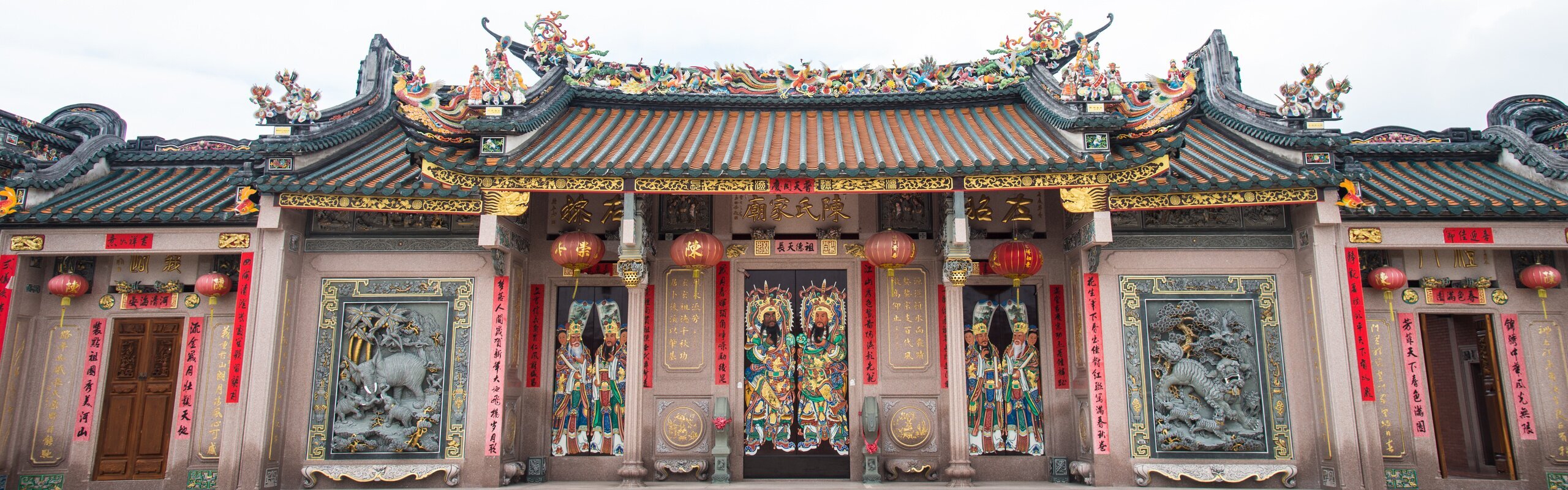

Going back to the place where your family's story began is something many overseas Chinese dream about for years. It's a chance to walk the same streets your grandparents once knew, bring your parents home again, or help your children see where their roots began.
More than a sightseeing trip, it is a journey that connects generations.
Yet turning that dream into reality is not always straightforward. How do you reach a small ancestral village? Is the old family home still there? Who can help you communicate with local relatives? And how do you fit such a personal visit into the rest of your time in China?
We've guided many families on this journey. From arranging transportation and local support to helping you reconnect with the places and people connected to your family's story, we'll take care of the practical details—so you can focus on the moments that matter most.
How to Fit an Ancestral Village Visit Into Your China Trip
Many overseas Chinese families trace their roots back to Guangdong and Fujian, especially areas such as Chaoshan, Taishan, and southern Fujian.
These regions are not only easier to reach through gateways such as Guangzhou, Xiamen, Jieyang, or Fuzhou, but they are also rich in overseas Chinese history and culture.
If you are traveling from North America, Europe, or Australia, you can also enter China through major cities such as Beijing or Shanghai, then continue by domestic flight or high-speed train to your family's hometown.
Our Tip: A roots journey is different from a regular sightseeing trip. We recommend setting aside at least one full day for your ancestral village—not because there are many attractions to see, but because these visits often unfold naturally.
You may spend more time than expected talking with relatives, walking through old streets, visiting your ancestral home, or simply sitting together over tea and sharing family stories. These quiet moments are often the most meaningful part of returning home.
Option 1: A 5–7 Day Roots-Focused Journey

This option is ideal if your main purpose is to visit your ancestral village while also experiencing the culture and traditions of the surrounding region, such as local food, traditional performances, and regional culture.
For example, a Chaoshan roots journey can combine your ancestral visit with Chaozhou, Shantou, and Jieyang:
- Day 1: Arrive in Chaozhou and begin your journey by exploring the region's renowned food culture on a guided food tour.
- Day 2 (Chaozhou): Spend the day returning to your family's hometown. Visit your ancestral home or family hall if available, reconnect with relatives, and walk through the village where your family's story began.
- Day 3 (Shantou): Explore Shantou Old Town, enjoy the famous Chaoshan beef hotpot, and experience the region's unique Yingge Dance performance.
- Day 4 (Jieyang): Visit historic streets, temples, and traditional neighborhoods to learn more about the culture of eastern Guangdong.
- Day 5: Departure
This 5-Day Roots Journey would take you back to where your family's story began — to walk your ancestral streets, taste the familiar flavors of Chaoshan, and reconnect with the Teochew traditions and voices that have shaped generations.
Option 2: A 12–14 Day China & Roots Journey
If you are traveling a long distance to China, many families choose to combine their roots journey with some of China's most iconic destinations.
This allows different generations of the family to experience both sides of China—the places their ancestors left behind and the country as it is today.
A real journey taken by one of our multi-generational families:
- Days 1–2 (Shanghai): Discover one of China's most modern cities and see how the country has transformed over the past few decades.
- >Days 3–5 (Beijing): Visit the Forbidden City, the Great Wall, Tian'anmen Square, and traditional hutongs to experience China's history and culture.
- Days 6–7 (Xiamen): Slow down by the coast before continuing to Fujian, one of the major hometown regions for overseas Chinese communities.
- Days 8–11 (Fuzhou & Their Ancestral Village): They met relatives, visited places connected with their family's memories, including old schools, markets, and ferry ports, and searched for more information about their family history at the Fujian Archives Center.
- Days 12–13: Return to Shanghai for the international flight home.
A Journey Back to Where Their Story Began
This was the real journey of one of our multi-generational families returning to their ancestral village in Fuzhou.
After decades away, the grandfather finally sat inside his ancestral home, holding the genealogy book that connected him to generations before him.
For him, this was more than reading a family record—it was a chance to reconnect with the people and memories he had been separated from for decades.
With his family by his side, the grandfather walked along a quiet path to the resting place of his ancestors. He stood before their graves with the next generation beside him. It was a quiet moment of remembrance, gratitude, and coming home.
For the younger generation, this was more than a visit to a village. It was a chance to see the place behind their family's stories and understand the roots they inherited.
If You Don't Know the Exact Village
Not every family has a clear record of their ancestral hometown.
Some travelers know only a province, a surname, or a few stories passed down from their parents or grandparents.
If you have old photos, Chinese names, migration records, family documents, or any other clues, share them with us. We can help you organize the information you have, explore possible directions, and design a meaningful journey based on what can be discovered.
Even without a confirmed ancestral village, you can still reconnect with the history and traditions of overseas Chinese communities through places that preserve these stories.
In Chaoshan, for example, we often recommend:
Chen Cihong Former Residence: One of China's most impressive overseas Chinese mansions, built by a successful merchant family who returned from Southeast Asia. It offers a glimpse into how overseas Chinese families maintained connections with their hometowns.
Deheli: A beautifully preserved residential compound built by overseas Chinese merchants, combining traditional Chaoshan architecture with Southeast Asian influences.
Laoma Palace (Mazu Temple): A historic temple where generations of Chaoshan emigrants prayed before leaving China and after returning home, reflecting the deep emotional connection between overseas Chinese communities and their hometowns.
Plan Your Own Roots Journey
Every family's story is different, and no two roots journeys are exactly the same.
Whether you want to add your ancestral village to one of our Guangdong, Fujian, or China itineraries—or create a journey centered entirely around your family's hometown—we will customize the route, transportation, and experiences around your family's story and travel pace.
Explore our popular itineraries: