
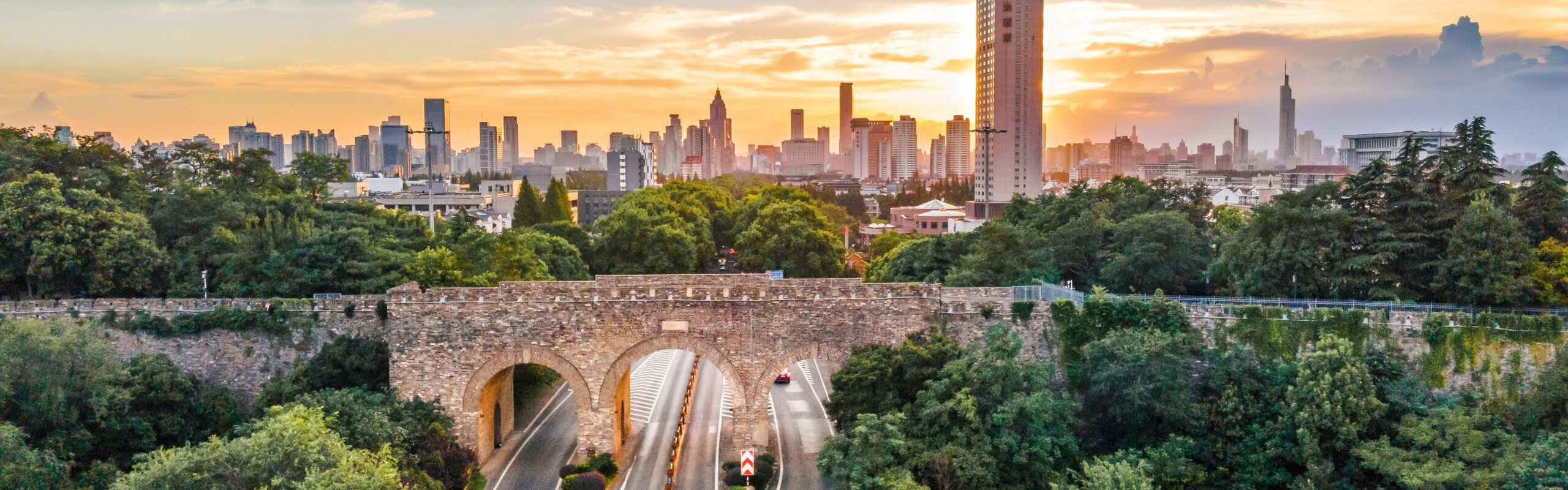

If you have just one full day in Nanjing, I'd spend it in the east of the city rather than trying to check off every famous sight.
Start at Ming Xiaoling Mausoleum, then walk through the shaded lakes and old city wall around Mount Zijin. The route gives you imperial history, quiet local scenery, and one of Nanjing's best city views — all in one connected day.
It is also easy to shorten if you are traveling with older parents, young children, or simply don't want to spend the whole day walking.

Hello, I'm Elfin, a native of Nanjing. With 8 years of experience as a museum docent, I have developed a deep passion for decoding Nanjing's rich historical layers and cultural heritage. Drawing from my background in technical writing and UX content design, I approach every journey with structured clarity, thoughtful preparation, and an unhurried pace. I look forward to sharing the logic, stories, and authentic local way of life behind the city, exploring Nanjing with you as a local friend!
Morning: Start at Xiamafang for the Best Approach to Ming Xiaoling
For a shortcut, taking the metro to Muxuyuan (苜蓿园) Station puts you just a 15-minute walk to Gate 5, or you can take the scenic shuttle directly to the Meiling Palace Stop (美龄宫站). The latter drops you right at the heart of the Sacred Way, saving time and energy.
But if you appreciate the journey, I highly recommend starting at Xiamafang (下马坊) Station.
This is the true historical starting point where Ming officials were required to dismount from their horses and walk to show their utmost respect. Walking this ancient path builds a quiet, profound sense of anticipation.
I intentionally slow down my pace whenever I walk this path with friends, not to check the time, but to let them gradually sink into that sense of ritual. This is exactly why I love starting from Xiamafang.
Walk the Sacred Way Before Entering the Tomb
Soon you reach the Sacred Way, lined with enormous stone animals and officials carved more than 600 years ago.
You'll pass lions, xiezhi, camels, elephants, qilin, and horses before reaching the stone figures of military and civil officials.
The route is shaded by mature trees, so even in warmer months, this section can feel surprisingly comfortable.
As you continue uphill into the tomb complex, look back.
The Sacred Way, old walls, and Mount Zijin begin to line up in the same view. This is the moment when the tomb stops feeling like a collection of historic buildings and starts making sense as part of the mountain itself.
Ming Xiaoling is easy to admire on your own, but harder to fully understand. A private guide explains its history, layout, architecture, and the meaning behind the details you see.
You'll leave with a deeper understanding of how and why this imperial tomb was built.
If you'd like to explore Ming Xiaoling as part of a private Nanjing tour, just let us know.
Lunch: Use Nanjing Impressions as Your Introduction to Local Food
After Ming Xiaoling, take a short ride on the scenic shuttle to the Muxuyuan area for lunch.
Nanjing Impressions is a convenient choice if you want to try several classic Nanjing dishes in one meal rather than spending time searching for a specialist restaurant.
I would order a few dishes to share:
- Nanjing salted duck — mild, tender, and one of the city's signature dishes.
- Sweet lotus root with sticky rice and osmanthus — soft lotus root filled with sticky rice and finished with sweet osmanthus syrup.
- Red bean soup with rice balls — a sweet local dessert with chewy mini rice balls.
- Soup dumplings — eat them slowly; bite a small opening first, let the steam escape, then drink the broth.
This is less about finding the single "best" restaurant in Nanjing and more about making lunch easy while giving yourself a proper introduction to local flavors.
If food is a major part of your trip, though, I would design the lunch stop differently rather than simply choosing the most convenient restaurant.
Afternoon: Skip the Crowds and Walk the Lakes Beneath the City Wall
After lunch, walk toward Zhongshan Gate and enter the lakeside paths beneath the Ming city wall.
This is the part of the route I would especially recommend if you want to see a quieter side of Nanjing.
The path takes you past Yanque Lake, Qianhu Lake, and Pipa Lake, with the old wall on one side and Mount Zijin rising beyond the trees.
There is no major climb here. The three-lake circuit takes roughly 50 minutes of walking, although you should allow longer if you want to stop by the water, sit on a bench, or take photos.
In summer, this is one of the smartest places to slow down. The trees provide shade, the lakes open up the view, and the wall blocks much of the feeling of the busy city nearby.
Come for the Season, Not Just the Scenery
The lakes change dramatically through the year.
February–April: Plum Blossom Hill is at its best, with thousands of plum trees blooming around the lake.
June: Water lilies and early lotus flowers begin appearing on the lakes, with the old wall reflected in the water.
September–November: Cooler temperatures make this one of the most comfortable times to walk the route beneath the trees.
November–December: Yanque Lake becomes the seasonal highlight, when the dawn redwoods turn red and gold around the water.
If you are visiting Nanjing in winter and happen to catch snow, the city wall around Mount Zijin offers an entirely different scene: Mount Zijin becomes almost silent beneath the snow.
This is also the easiest part of the route to adjust. If you are tired after Ming Xiaoling, simply spend more time around the lakes and skip the wall climb later.
Late Afternoon: Climb the City Wall When the Heat Starts to Drop
Continue toward Fugui Mountain, where you can climb onto a surviving section of Nanjing's Ming city wall.
I recommend doing this in the late afternoon rather than immediately after lunch, especially from late spring through summer. After about 4:00 PM, the light is softer and the heat is usually easier to handle.
The entrance takes you inside the wall before a stone staircase brings you to the top.
Once you are up there, look back toward the lakes.
You have just walked beside those lakes at ground level. Now they spread out below you, with Mount Zijin beyond them.
Then turn the other way.
The modern skyline rises above a defensive wall built more than 600 years ago. The contrast between old Nanjing and modern Nanjing is much more interesting than simply looking at another historic building.
Take a close look at the bricks, too. Many bear inscriptions connected with their production, including information about craftsmen and places of origin.
You don't need to walk the entire wall section to get the experience. If your legs are tired, climb up, enjoy the view, and come back down.
If you are traveling with elderly parents or young children, we can also remove the wall climb and build the afternoon around the lakes instead.
Evening: Choose Between Local Nanjing or the Qinhuai River
After coming down from the wall, you will find yourself near Houzaimen, an older residential area with small local restaurants and neighborhood cafés.
If you still have energy, this is where I would stop for a simple Nanjing dinner rather than immediately returning to another major attraction.
Look for a busy neighborhood restaurant and try something you haven't eaten yet — noodles, potstickers, soup dumplings, or duck blood vermicelli soup.
You'll hear Nanjing dialect around you, see residents heading home from work, and experience a side of the city that sightseeing alone cannot give you.
If this is your first trip to Nanjing and you still want to see its most iconic night scene, take a taxi to Confucius Temple and the Qinhuai River instead.
The lantern-lit river is beautiful at night, and a traditional boat ride gives you a completely different atmosphere from the quiet mountain-and-lake landscape you experienced during the day.
I just wouldn't try to squeeze both into the same evening.
For a more personal Qinhuai River experience, we can arrange a private evening tailored to your pace and interests. We'll take care of the timing and route, so you can enjoy the river at your own pace without worrying about the details.
How I Would Adjust This Day for You
If you want the full experience:
Start at Xiamafang, walk through Ming Xiaoling, explore all three lakes, climb the Fugui Mountain wall, then choose between a local dinner and Qinhuai River at night.
If you are traveling with older parents or children:
Start at Muxuyuan, keep the Ming Xiaoling walk shorter, spend more time beside the lakes, and skip the wall climb if everyone is tired.
If you are visiting in summer:
Start early, keep the lakeside walk for the hotter part of the day, and save the wall for after 4:00 PM.
If you are visiting in November or December:
Give yourself extra time around Yanque Lake for the dawn redwoods. This is when the route looks completely different from its summer version.
And if you don't want to spend your only day in Nanjing working out which entrance, walking route, and transport combination makes the most sense, we can build this day around your hotel, travel season, and walking pace rather than giving you a fixed sightseeing checklist.