
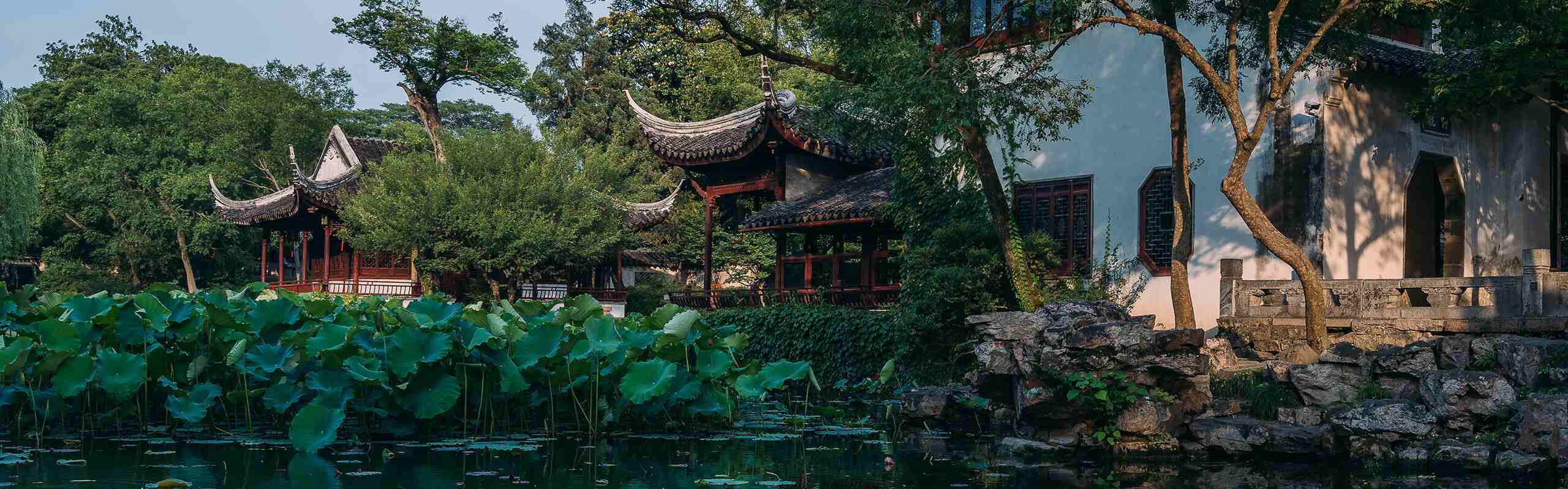

Humble Administrator's Garden is Suzhou's largest classical garden, combining expansive water views with the intricate design that defines Jiangnan garden art. Few other gardens in the city can match its scale, reputation, and overall layout. However, its popularity comes at a price: visitor numbers remain high throughout much of the year, and the main sights are often crowded. Is the Humble Administrator's Garden worth the crowds, or should you visit a quieter one?
Here are our answers:
If you have two days in Suzhou and are willing to adjust your schedule, we recommend keeping it. Arrive at around 7 am to be among the first visitors when the garden opens at 7:30 am, or visit in the late afternoon at about 3:00 pm if you prefer not to get up too early.
If your schedule is not so flexible or you find crowds particularly frustrating, skip it. You can enjoy a more relaxed garden experience with the Lingering Garden during the day and an evening visit to the Master of the Nets Garden. This combination gives you two distinct garden experiences without having to contend with the Humble Administrator's Garden's consistently heavy visitor traffic.
- Chinese: 拙政园 Zhuōzhèng Yuán /jwor-jnng ywen/ 'Humble Administrator's Garden'
- Area: 5.6 hectares (13.8 acres)
- Age: more than 500 years
- Popular activities: walking, photography
- Suited to: First-time visitors to Suzhou, people who love traditional Chinese architecture and gardens
- Time needed: 2–3 hours

How to Visit the Humble Administrator's Garden with Fewer Crowds
During peak hours from 9:00 am to 2:00 pm, crowds can significantly affect your visit. You may have to queue in hot weather for more than 30 minutes to enter, move slowly in the crowds through narrow corridors and bridges, and wait for space at popular photo spots. Instead of stopping to admire the garden's carefully designed views, you may find yourself moving along with the crowd.
To make your visit more comfortable, there are two options: arrive around 7:00 am before opening or visit around 3:00 pm in the late afternoon. Both of these options allow for approximately two hours of visiting time, and it's enough if you are not passionate enthusiasts of photography or architecture.
We recommend going early because you will have more time to explore before visitor numbers build up, with greater flexibility for the rest of your day.
Be realistic about what early or late buys you. Neither option guarantees a crowd-free visit, but both can help you avoid the busiest hours.
Option 1: Arrive at 7:00 am if Early Get Up is Possible
For the best chance of seeing the garden before the crowds build up, stay overnight in Suzhou, preferably within a short drive of the garden. Otherwise, getting to the entrance before 7 am may be difficult, especially if you are travelling from another city that morning.
You'll need to leave your hotel by 6:40 am and reach the entrance around 7 am. The garden generally opens at 7:30 am. The tourist groups usually arrive after 9:00 am, being the first visitors will help you to get a more relaxed and quiet visit before the crowds arrive. You can spend around 2 hours exploring the main areas, then leave by approximately 9:30 am.
Option 2: Visit in the Late Afternoon if You Have Only One Day
If you have just one day in Suzhou, a late-afternoon visit can help you fit the Humble Administrator's Garden more naturally into your itinerary, since a 7:00 am arrival is almost impossible. We suggest spending your morning exploring another Suzhou highlight, such as Tongli Water Town or Pingjiang Road, then head to the garden in the afternoon.
Your arrival time depends on the season:
- Peak season, March 1 to October 31: The garden closes at 5:30 pm. Aim to reach the entrance around 3 pm and start your visit at approximately 3:30 pm.
- Shoulder season, November 1 to the end of February: The garden closes at 5 pm. Arrive around 2:30 pm to allow enough time to enter and explore.
Unlike an early-morning visit, this option gives you less flexibility: you will need to leave when the garden closes.
Tips:
Whichever time you choose, we suggest adding only one more classical garden that day. After the Humble Administrator's Garden, you could visit the nearby Lion Grove Garden, or, if you have enough time, choose an evening performance at the Master of the Nets Garden. Avoid trying to fit in more than three in one day, as visiting too many gardens with similar styles can cause aesthetic fatigue.
Which Months Offer Beautiful Scenery with Fewer Crowds?
The best choices for beautiful scenery with fewer crowds are March to April and October 8 to mid-December.
March to April is best for scenery, especially the spring flowers. Azaleas and white magnolias begin blooming in late March and continue into early May, while wisteria is usually at its best in April. However, spring is also a popular time for domestic group tours and student visits. Better avoid the Qingming Festival holiday, which usually falls in early April.
October 8 to mid-December offers a better balance of scenery and visitor numbers. Once the National Day holiday ends, crowds generally ease. From November 1, admission prices also drop to the low-season rate, while autumn colours become more prominent from late November into mid-December. This is our preferred period if you want to combine pleasant scenery with better value.
Choose weekdays whenever possible. Weekends and Chinese public holidays attract more visitors, with the first two or three days of major holidays typically being the busiest. If your dates are flexible, a weekday in November or early December is a particularly good choice.
What about summer and winter? June to September brings lush greenery and full ponds, but the heat and humidity can make walking around the garden tiring. From late December to February, the garden has a quieter, more subdued winter appearance, with fewer flowers and less foliage. We would prioritize spring or autumn unless you particularly enjoy winter garden scenery.
If You Skip the Humble Administrator's Garden, Which Other Gardens Should You Consider?
If you would rather not get up early, queue at popular viewpoints, or plan the whole day cautiously just for one site, consider visiting the Lingering Garden instead.
The Lingering Garden offers a different appeal: its more intricate layout, winding corridors, carefully framed views, and distinctive rockeries allow you to gain a deeper appreciation for the attention to detail in the architecture and landscaping of Suzhou gardens.
Although smaller, its compact scale makes it easier to fit into a day of sightseeing, without having to devote as much time to exploring a large garden.
If you include the Lingering Garden in your itinerary, you won't have to worry about whether it will be too crowded or whether you need to get up early or go late, because the visiting experience is usually quite pleasant.
If you have time in the evening, add the Master of the Nets Garden to your itinerary. Other gardens in Suzhou also run evening programs, and this one is lovely by day too, but its night tour is the one we'd recommend without hesitation.
Because the garden is small and intimate, Pingtan storytelling and Kunqu opera are performed in the courtyards and waterside pavilions directly around you, not on a distant stage. Lantern-lit courtyards, music at close range, and a compact route make it feel like a private gathering in a scholar's garden rather than a show you watch from a seat. That intimacy is why we recommend it above the others.
This gives you a chance to enjoy two sides of Suzhou garden culture in one day: the Lingering Garden's intricate landscape by daylight and the Master of the Nets Garden's intimate atmosphere after dark. See our 4-Day Shanghai and Suzhou Culture Discover Tour to know more about the itinerary.
Planning Your Suzhou Garden Visit?
Not sure which gardens deserve a place in your itinerary? Our Suzhou travel experts can help you choose between the Humble Administrator's Garden, Lingering Garden, and Master of the Nets Garden, and arrange the best visiting times to fit your schedule. Contact us to plan your Suzhou trip, or check our popular itineraries: