
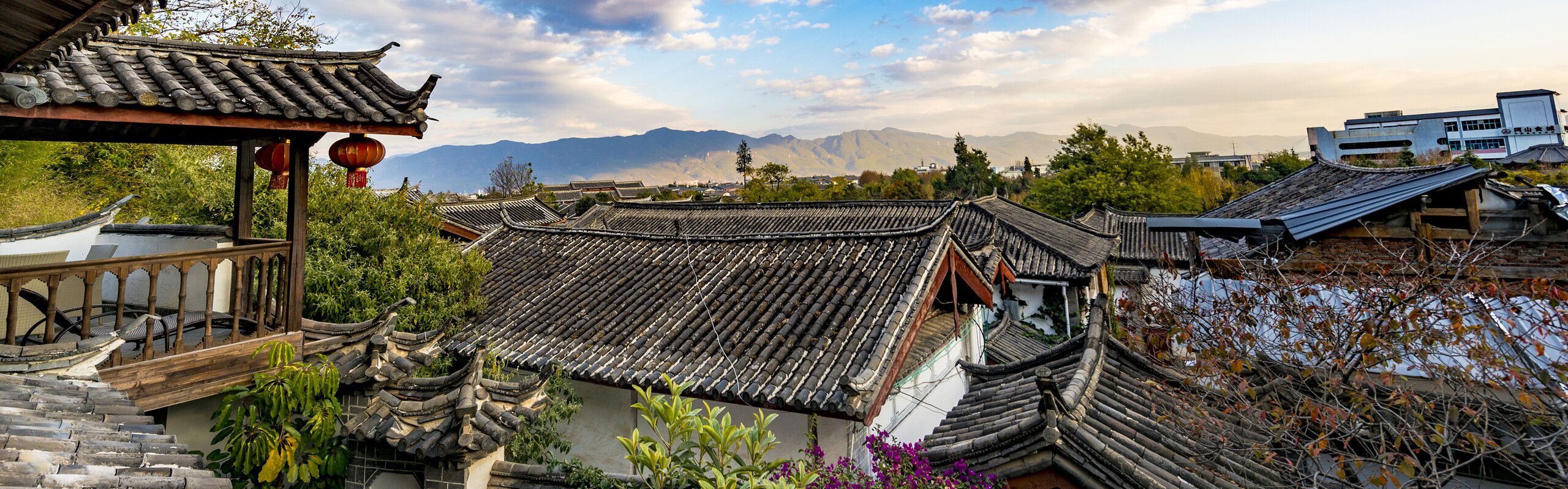

Many travelers start planning a trip to Lijiang first, then hesitate about whether Shangri-La is worth adding to the route.
The answer is yes — Shangri-La lets you experience a very different side of Yunnan. Here, Tibetan culture, vast highland landscapes, and plateau life create an experience unlike anywhere else on the classic Yunnan route. That's why it's worth slowing down and spending at least 2–3 days there.
This guide helps you decide how many days to spend, what experiences to include, and how to plan the route, transportation, and timing.
How Long to Spend in Lijiang and Shangri-La
Typically, a Lijiang and Shangri-La tour lasts 5–7 days. Allocate 2–3 days in each destination to visit the classic attractions.
If you prefer hiking or want to explore more attractions nearby, the itinerary could be extended by 1–3 days depending on your preference.
Shangri-La is located at a high altitude, so you may experience altitude sickness. Consider a slower pace and an extra day to acclimate without rushing through the must-see attractions.
Lijiang and Shangri-La Itinerary Suggestions
We recommend a 6-day classic tour with 3 days in Lijiang and 3 days in Shangri-La. This route includes exploring Naxi and Tibetan cultures, hiking on snow mountains, experiencing ancient towns, and appreciating natural scenery.
If you want to connect Lijiang and Shangri-La with other Yunnan cities, we also provide an option for that.
6-Day Experience-Rich Lijiang and Shangri-La Tour
- Day 1: Lijiang arrival and explore Lijiang Old Town
- Day 2: Jade Dragon Snow Mountain hiking
- Day 3: Tiger Leaping Gorge hiking, and transfer to Shangri-La
- Day 4: Songzanlin Monastery, a Tibetan blessing ceremony, and cycle around Napa Lake
- Day 5: Qianhu Mountains hiking
- Day 6: Shangri-La departure
Unlike Kunming and Dali, where many highlights can be experienced with relatively easy access, Lijiang and Shangri-La are best experienced through outdoor exploration and deeper discovery.
Some of the region's most rewarding experiences can only be discovered by stepping into its mountains and highland landscapes, rather than simply sightseeing.
At Jade Dragon Snow Mountain, instead of taking the cable car like most visitors, follow a quieter hiking trail through alpine meadows and past the turquoise Milk River. The reward is a peaceful side of the mountain that few people experience.

Tiger Leaping Gorge is one of the most spectacular natural highlights in Yunnan. Towering cliffs, the roaring Jinsha River, and ever-changing mountain views make it well worth including in your itinerary.
You hike from Tea Horse Guesthouse to Halfway Guesthouse, a scenic section that offers many of the best views without requiring a strenuous trek.
The two hikes are designed for different fitness levels. Jade Dragon Snow Mountain involves about 5.5 hours of hiking and suits active travelers, while the Tiger Leaping Gorge walk takes about 1 hour on a mostly gentle trail, making it suitable for most families and seniors.
Beyond the mountains and gorges, discover the spiritual side of Tibetan culture at Songzanlin Monastery, then join a local blessing ceremony by hanging colorful prayer flags — a meaningful tradition rarely experienced by visitors.
At Qianhu Mountain, step into local highland life by visiting a herder's home. Learn how local families live on the grasslands while walking through ancient forests and fire-scarred woodlands that reveal nature's resilience.
If hiking isn't your style, we can easily adjust the itinerary. Take the cable car at Jade Dragon Snow Mountain, enjoy the views at Tiger Leaping Gorge without hiking, or replace Qianhu Mountain with Pudacuo National Park. Just let us know what suits you best.
A Classic Yunnan Trip with Shangri-La and Lijiang
For first-timers visiting Yunnan, Shangri-La and Lijiang typically go together with Dali and Kunming for a complete 8-day Yunnan trip. The following is the suggested itinerary:
- Days 1–2: Kunming (arrival and Naigu Stone Forest)
- Day 3: Dali (Er Lake and Xizhou Ancient Town)
- Days 4–6: Lijiang (Lijiang Old Town, Jade Dragon Snow Mountain, and Tiger Leaping Gorge)
- Days 7–8: Shangri-La (Potatso National Park and Songzanlin Monastery)
Is A One-day Tour from Lijiang to Shangri-La Feasible?
With the 1.5-hour high-speed train journey each way, a day trip from Lijiang to Shangri-La is possible. You could visit Dukezong Ancient Town, Songzanlin Monastery, and Napa Lake in one day.
However, the schedule will be quite tight, with early departure and late return. Most of your time will be spent on transportation, so this option is only suitable if you are extremely short on time.
How to Travel Between Lijiang and Shangri-La
Lijiang is relatively close to Shangri-La, with multiple transportation options to transfer between these two destinations. The following transport comparison is only for approximate reference.
| Transportation | Time | Feature | Recommendation | |
|---|---|---|---|---|
| Private Transfer | 3 hours |
|
Highly recommended | |
| Taxi | 3 hours | Not so flexible and a little expensive | Less recommended | |
| Shuttle bus | 3 hours | Cost-effective, but you may encounter difficulty booking tickets, the language barrier, and not very comfortable seating | Not recommended | |
| Bullet train | About 1.5 hours | Cost-effective and fast, but you would not see Tiger Leaping Gorge | Recommended only if you want to take a direct trip between these two cities | |
| Flight | About 1 day with transfer times | No direct flights | Not recommended | |
We recommend a tour with a private transfer, especially if you're traveling with family or looking for a hassle-free journey. You could also stop at Tiger Leaping Gorge on the way from Lijiang to Shangri-La.
If you want to transfer directly to Shangri-La without any stops, the bullet train is ideal.
Best Times to Visit Lijiang and Shangri-La
April–May and September–October are usually the best times to visit Lijiang and Shangri-La. The weather is pleasant, mountain views are often clearer, and you could avoid the summer crowds and the coldest winter months.
Spring (March–May) is a colorful season in Lijiang, with blooming flowers across the region. However, Shangri-La is still cold and less scenic in March and April. May is a better time, with fresh green grasslands and blooming alpine azaleas.
Summer (June–September) is a good choice if you want to escape the heat. The grasslands are lush and lakes are full, although expect more rain and crowds.
It is also wild mushroom season, when you could experience mushroom foraging on our 10-Day Yunnan's Wild Summer: Forest, Feast, and Festival.
Autumn (October–November) is an ideal time to enjoy autumn colors in both Lijiang and Shangri-La. Shangri-La's golden grasslands and colorful forests create beautiful scenery, while Lijiang remains pleasant for exploration.
Winter (December–February) is best for snow mountain views and avoiding crowds. However, Shangri-La becomes very cold, and its grasslands turn yellow and dry, making the scenery less attractive than in summer.
Whatever time you visit, pack layers. Temperatures often vary by around 10°C (18°F) between day and night, and Shangri-La is usually 5–10°C (9–18°F) cooler than Lijiang because of its higher elevation.
Where to Stay in Lijiang and Shangri-La
For the convenience of getting around and enjoying entertainment and dining options, we suggest staying in the downtown areas. Lijiang and Shangri-La are not very large, with most accommodation being located in the following key areas.
Recommended Accommodation Areas in Lijiang
Lijiang Old Town: This is the first choice for first-timers. This area combines sightseeing, dining, and entertainment with numerous boutique hotels and good transportation to nearby attractions. However, it may be a little noisy.
Shuhe Ancient Town: This is a great option if you prefer a quieter and authentic ancient town atmosphere. It is known for its well-preserved traditional Naxi ethnic architecture, with a more peaceful flavor of life.
Baisha Ancient Town: If you prefer a peaceful setting, Baisha is also recommended for great views of Jade Dragon Snow Mountain from boutique hotels and cafés.
Recommended Accommodation Areas in Shangri-La
Dukezong Ancient Town: This is a popular choice for first-timers. It is relatively busy with diverse accommodation and dining options, as well as more activities to experience Tibetan culture, such as various photo studios for Tibetan-style photo shoots and a giant prayer wheel for blessings.
Around Songzanlin Monastery: This is a great and quieter location for enjoying the holy and silent ambiance, providing spectacular views of the monastery.
Budget for a Lijiang and Shangri-La Trip
A classic private Lijiang and Shangri-La tour costs $200–250 USD per person per day. The quotation is based on at least two people, including private transport, 4- or 5-star hotels, attraction fees, lunches, and a top-rated local English-speaking guide.
Create Your Ideal Yunnan Journey with Us
With different altitudes, travel styles, and experiences to choose from, planning a Lijiang and Shangri-La trip requires careful consideration.
Our professional consultant can design a private itinerary around your interests, pace, and comfort level, allowing you to discover Naxi and Tibetan cultures, experience authentic local activities, and enjoy Yunnan's highland landscapes in your own way.
Explore our Yunnan tours or contact us to start planning your personalized trip.