
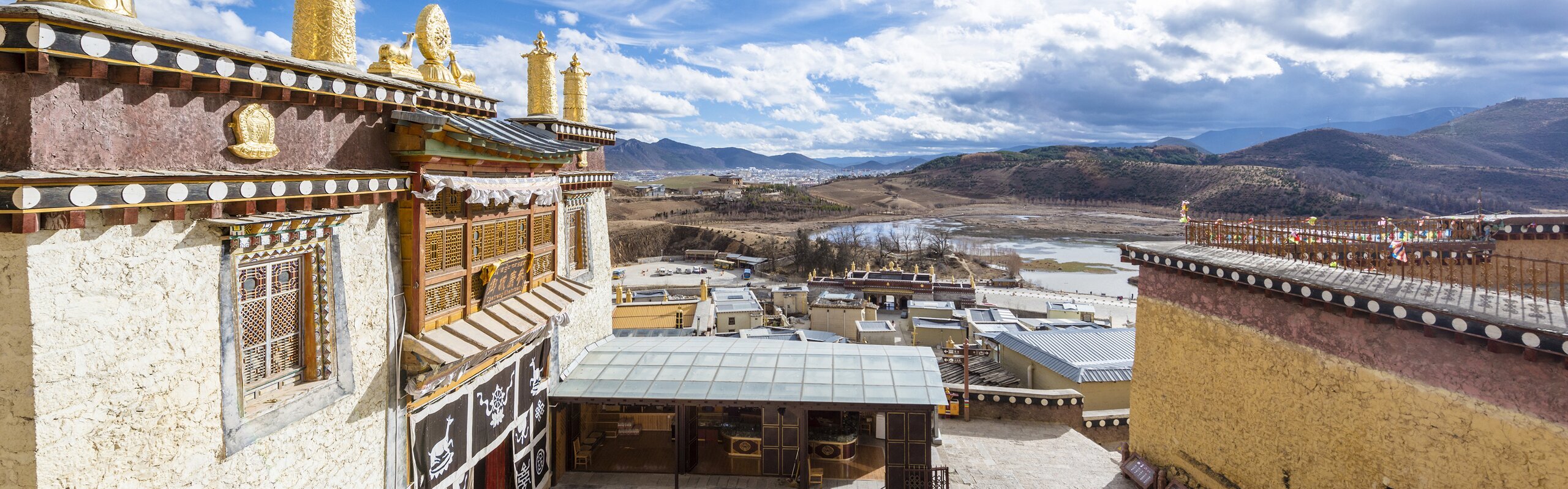

A 7-day trip to Yunnan often starts with the same question: how do I fit everything I've seen in photos—snow mountains, terraced rice fields, ancient towns, and lakeside scenery—into a single journey without it feeling rushed or exhausting?
The real challenge usually isn't choosing where to go, but deciding what not to include. Because in Yunnan, trying to see everything in one week often means you spend more time moving between places than actually enjoying them.
A good 7-day Yunnan itinerary should focus on 2–3 places only, otherwise the trip becomes travel-heavy instead of experience-heavy.
The Real Question Isn't "Where to Go", It's "What You're Willing to Let Go"
Most first-time Yunnan itineraries become exhausting for the same reason: people try to fit every famous landscape into one week. Before choosing your route, it helps to understand a few simple trade-offs.
1. Shangri-La Is Beautiful, but It Changes the Pace of the Whole Trip
Shangri-La adds:
- +4 to 6 hours extra transfer time (one way from Lijiang)
- higher altitude adjustment fatigue (3,000m+)
- fewer recovery periods between activities
Because of these factors, if you include Shangri-La in a Kunming–Dali–Lijiang itinerary, you can realistically only spend about 1 day there. This either feels too rushed to be enjoyable or too limited to fully justify the long transfer.
If Shangri-La is your main focus, it is usually better to remove one stop from the Kunming–Dali–Lijiang route and include Shangri-La instead, rather than trying to fit everything into a 7-day itinerary.
2. 7 Days in Yunnan Isn't as Long as It Seems
Even when cities in Yunnan look close on a map and high-speed trains only take around 2 hours, the actual travel time is often much longer once you include getting to the station, waiting time, transfers, and checking into a new hotel.
What looks like a simple "2-hour train ride" can easily turn into half a day of movement. When you repeat this across multiple cities, several half-days are effectively spent just on transitions rather than sightseeing.
This is why a 7-day itinerary in Yunnan is not just about the distance between cities — but about carefully accounting for the hidden time lost in travel transitions.
3. Two Main Bases Usually Work Better Than Four Short Stops
A common mistake is spending only 1 night in each destination. This creates a cycle of packing, checking out, transferring, and checking in again.
In most cases:
- 2 cities = comfortable
- 3 cities = balanced
- 4 cities = rushed
Your Travel Style Determines Your Yunnan Route
Instead of starting with destinations, it helps to first choose your travel style. This single decision will determine everything else.
1. Balanced Highlights (Recommended)
- 2–3 cities
- Covers key landscapes like lakes, mountains, and old towns
- Moderate travel movement
This is the most common structure, but it requires careful pacing to avoid feeling rushed. See the following itinerary A suggestion.
2. Comfort First (Recommended)
- 1–2 main regions only
- Minimal hotel changes
- Longer stays in each destination
- More free time between activities
This style prioritizes stability and reduces fatigue, especially useful when traveling across different climates and elevations. See the following itinerary B suggestion.
3. Fast Coverage (Not Recommended for Most Travelers)
- 4 destinations in 7 days
- Frequent transfers
- High sightseeing density
While it looks efficient on paper, this structure often reduces the time you actually spend enjoying each place.
Itinerary A: Classic Highlights Route (Kunming, Dali & Lijiang)
Kunming, Dali, and Lijiang are well-connected, making the overall travel flow smoother within 7 days. Adding Shaxi in between helps slow the rhythm down slightly and brings a quieter, more relaxed atmosphere to the trip.
- Day 1: Kunming arrival
- Day 2: Visit the Stone Forest and Dianchi Lake, and then transfer to Dali.
- Day 3: Dali full-day sightseeing
- Day 4: Visit Shaxi Ancient Town and stay overnight.
- Day 5: Transfer to Lijiang
- Day 6: Visit Jade Dragon Snow Mountain and Yuhu Village.
- Day 7: Lijiang departure
Day 1: Kunming Arrival
Kunming is usually the first stop on a Yunnan tour. As the capital city of Yunnan, Kunming serves more flights and bullet trains from other cities in China and also from overseas, especially Southeast Asian countries, such as Singapore.
Where to Stay in Kunming?
Jinma Biji Archway is one of the busiest areas in Kunming, bustling with numerous shopping malls and night markets.
However, it could be quite noisy, so we recommend staying in a quieter location nearby (within walking distance). This would not only satisfy your entertainment needs but also guarantee a relatively quiet sleeping environment.
If you need hotel recommendations, you could consider Cachet Boutique Kunming Artime. This hotel is just a 15-minute walk (about 900 meters / 2,950 feet) from Jinma Biji Archway, offering both convenience and a more peaceful stay.
If you prefer a quieter environment, then staying near Dianchi Lake would be better. You could also enjoy a morning walk by the lake and observe the local residents as they exercise.
Day 2: Kunming
 Stone Forest
Morning: Stone Forest
- Arrive before 9:00–9:30 AM to avoid tour groups
- Peak crowd time: 10:30 AM–3:00 PM
If you want a quieter Stone Forest experience, we recommend choosing Naigu Stone Forest instead of the main scenic area during holidays.
Afternoon: Dianchi Lake (Haigeng Dam)
- Best time: winter afternoons (Dec–Feb) for gull feeding
- Visit duration: 1.5–2 hours
Then take a high-speed train to Dali (2 hours).
Day 3: Dali
Erhai LakeSpend the full day there to discover Dali's highlights.
Discover Dali Old Town. Early morning is best before 10:00 AM. After 11:00 AM, crowds increase significantly. There are markets, churches, shops, and a museum. You could take about 2 to 3 hours to explore it.
In the afternoon, take a drive alongside Erhai. While enjoying the scenery of Erhai, you could also explore some of the famous attractions along its shores, such as Xizhou Town (visit typical Bai houses), Shuanglang Ancient Town (the first scenic town of Erhai), Zhoucheng Village (try the Bai people's tie-dyeing process), and finally enjoy some afternoon tea at the Santorini-inspired hotel beside the lake.
If you are more active, you could also choose to visit Erhai by bike. Explore Erhai's west shore (more family-friendly and safer). Cycle from Cai Village, which is near Dali Old Town, to 'Little Forest' in Xiaguan district, a distance of about 13 km (8 miles).
Where to Stay in Dali
Dali Old Town is the most recommended area to stay in Dali for its various choices of accommodation, dining, and entertainment.
If you prefer a room with a view of a lake and a quiet environment, you could consider staying near Erhai.
Day 4: Shaxi Ancient Town
Shaxi Ancient TownTo learn more about Dali's history and the deep charm of its ancient towns, we recommend spending 1 day exploring Shaxi Ancient Town.
It was once an important town on the ancient Tea Horse Road. It still preserves traditional Bai ethnic dwellings, ancient stone-paved streets, and some historically significant temples.
Compared to other ancient towns, it is much quieter and has a more rustic atmosphere. You could enjoy some peaceful time by taking a leisurely stroll.
If you prefer a more relaxed travel pace, we recommend spending a night in Shaxi Ancient Town. Then, head to Lijiang the next day, which is about a 1½-hour drive from Shaxi.
Day 5: Transfer to Lijiang
After arriving in Lijiang from Shaxi, you could explore Lijiang Old Town. If you still have time, we highly recommend Black Dragon Pool Park, which is about a 10-minute drive from the ancient town.
There, you could see the majestic reflection of Jade Dragon Snow Mountain and get a good distant view of the mountain.
Where to Stay in Lijiang
We highly recommend staying in Lijiang Old Town. It offers convenient transportation, a wide variety of dining and accommodation options, and a rich array of evening entertainment activities.
Day 6: Lijiang
Jade Dragon Snow MountainThis day is for Lijiang's most famous attraction, Jade Dragon Snow Mountain, and a hidden gem, Yuhu Village.
Spend half a day exploring the snow mountain. You could take a cable car ride to Glacier Park to ascend the summit and see the snow.
However, in summer (especially July and August), it may not be the best choice, as snow is often limited at the top, and the high altitude experience can feel more tiring than rewarding for some travelers.
- Cable car queues: 60–120 minutes during peak season (May–Oct)
- Recommended arrival: before 8:30 AM
Enjoy the incredibly blue river and meadow in Blue Moon Valley.
- Best light: 10:00 AM–2:00 PM (color appears more vivid)
Then, head to Yuhu Village. There, you could learn about the daily life and culture of the Naxi people by watching activities, such as Dongba papermaking and characters.
Day 7: Departure
Our 7-Day Kunming, Dali & Lijiang Classic Tour is designed to help you experience Yunnan's essentials at a relaxed, unhurried pace. If you'd like a more personalized route, feel free to contact us anytime.
Your 7-day Yunnan trip would end in Lijiang. You could have some free time to explore Lijiang by yourself before transferring to the airport.
Itinerary B: Slow & Comfortable Route (Kunming & Lijiang)
Unlike most 7-day Yunnan itineraries that focus on moving between multiple cities, this route slows the pace down and keeps you longer in Lijiang and the surrounding Lugu Lake area.
Few places capture so many sides of Yunnan the way Lijiang does — from snow mountains and ancient towns to Naxi culture, lakeside scenery, and a slow-paced lifestyle that makes you want to stay longer.
The focus is less on "seeing more places" and more on living in one region long enough to experience its culture, nature, and rhythm at a slower, more natural pace.
- Day 1: Arrival in Kunming (adjust & rest)
- Day 2: Kunming exploration (stone forest & temple)
- Day 3: Transfer to Lijiang, Lijiang Old Town
- Day 4: Lijiang slow travel (Jade Dragon Snow Mountain)
- Day 5: Lijiang local life experience (Naxi cooking experience), transfer to Lugu Lake
- Day 6: Lugu Lake slow time (boating, light hiking, lakeside hotel staying)
- Day 7: Departure
In this 7-day journey, we intentionally slow things down around Lijiang. Instead of constantly changing cities, we give you four full days to settle into the region properly. And honestly, we think this is where Yunnan feels best.
If you visit between July and September, the experience becomes even more seasonal. Yes, the weather stays cool and comfortable, but summer in Yunnan is really about mushroom season. For many locals, this is the most delicious time of year.
On the morning of Day 5, we'll take you through a local market filled with freshly foraged wild mushrooms. You'll learn how locals distinguish edible varieties from poisonous ones, why certain mushrooms become so prized each summer, and then cook several traditional Yunnan dishes yourself. It feels less like a food activity and more like stepping briefly into everyday local life.
The final two days slow the rhythm down even further at Lugu Lake. We'll take you onto the water in a traditional Mosuo canoe, drifting across quiet stretches of lake surrounded by seasonal flowers. Then away from the busy viewpoints, we'll guide you onto one of our favorite hidden lakeside trails — quieter, more scenic, and far less visited.
In our 7-Day Kunming, Lijiang, and Lugu Lake Tour, you'll also spend time with a local Mosuo family to better understand one of the most fascinating cultures in southwest China, from their family structure to the well-known walking marriage tradition that still shapes life around the lake today.
Best Times to Visit Yunnan
Ancient pagoda in Dali with snow capped Mt CangshanSpring and autumn are widely regarded as the best seasons to visit due to the more comfortable weather, clearer skies, and more beautiful landscapes.
In addition to these two seasons, we also recommend winter, especially from November to December.
During this period, there are fewer tourists in Yunnan and the sunshine remains abundant. While it may be a bit chilly in the mornings and evenings, the midday temperatures are quite pleasant.
The winter scenery is still stunning, especially if you're looking to see snowcapped mountains.
See more on the Best Times to Visit Yunnan.
How Much Does 1 Week in Yunnan Cost?
The cost might depend on factors like accommodation preferences, travel style, activities, and dining choices.
For our private services, it would cost about 1,200 USD to 1,500 USD per person for 7 days, including the hotels, private transfers and guides, transportation within Yunnan, and attraction and activity fees.
In Yunnan, a 4-star or boutique hotel typically costs about $80 to $100 per night, while a luxury 5-star hotel ranges from $140 to $150 per night.
As for entrance fees, the more expensive sites include Jade Dragon Snow Mountain, which may cost about $30 to $40.
Tiger Leaping Gorge has an entry fee of about $15. Most ancient towns are free to enter but some attractions within them, such as temples, require a separate ticket, usually priced at about $2 to $4.
For dining, a budget-friendly option, such as a bowl of local rice noodles, costs about $2 to $3.
If you're looking for a nicer local restaurant, expect to spend about $10 per person. For Western cuisine in a star-rated hotel, the price is about $20 per person.
Explore Yunnan with Us
At China Highlights, we design Yunnan trips around a comfortable travel rhythm, balancing must-see highlights with slow, meaningful experiences. Whether you prefer a classic route or a slower cultural journey, we can help you build a 7-day itinerary that feels relaxed, realistic, and truly enjoyable.
- 7-Day Dali, Lijiang, and Shangri-La Tour
- 7-Day Shangri-La, Deqin, and Tacheng Adventure Tour
- More Yunnan Tours
Alternatively, you could customize your itinerary based on your group size, travel time, interests, and other requirements. Just contact us.