
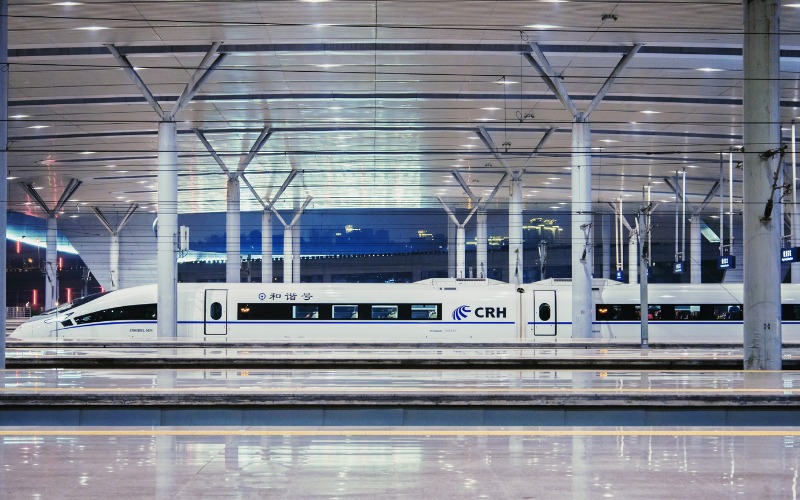

Traveling by train in China is a cost-effective, comfortable, and safe mode of transportation. Cabins on most trains are well-maintained and equipped with comfortable seating arrangements, allowing passengers to relax during their journey. With its increasing popularity, understanding the basics of train travel in China will help ensure a smooth and enjoyable journey.
What are the Chinese Trains Like?
Generally speaking, the trains in China are classified into high-speed trains and ordinary trains. What are the differences between them? What are the seats and facilities on Chinese trains? Click the links below and get to know what the Chinese trains are like.
Why Traveling by Train?
Choosing train travel in China comes with several advantages.
No Delay: Trains, particularly D-trains and G-trains, are known for their punctuality, with minimal delays. Major railway stations in cities offer convenient connections to various modes of transport, including metro lines, buses, taxis, and coaches, making it easy for passengers to navigate and continue their journey seamlessly.
Appreciate Scenery: One of the distinctive aspects of train travel is the opportunity it provides to appreciate the scenic views along the journey through the train windows. This immersive experience is quite different from air travel, allowing passengers to enjoy the diverse landscapes of China.
More Legroom: train travel offers more legroom compared to other modes of transportation, and passengers have the flexibility to walk around and stretch their legs during the journey, contributing to a more comfortable and relaxed travel experience.
Faster than Flight: Opting for high-speed trains over flights can be a faster alternative, especially for short to medium-distance routes. Airports are often located far from city centers, and the time required to travel to and from airports can significantly contribute to the overall travel duration. In contrast, high-speed trains usually connect city centers directly, eliminating the need for lengthy airport transfers. Considering the total transportation time, high-speed trains can outpace flights on certain routes, providing a quicker and more efficient means of travel.
Planning Your Train Travel
Chinese train is not only a convenient transportation when traveling in China, but also a unique experience. You will get a basic idea on how to arrange your train travel in China by reading the articles below.

Recommended Months for Train Travel in China
Generally speaking, it is suitable to travel around China throughout the year due to its varieties of climate and rich tourist resources in different months. The best time for train travel depends on the train routes you plan to take.
- April to June: Enjoy comfortable weather in most Chinese cities, avoiding extreme temperatures. Train tickets are readily available except during holidays.
- July to August: This period is the hottest, with peak travel due to school vacations. Ideal for visiting Tibet, but train tickets to Lhasa are in high demand and often sold out.
- September to October: Experience the most pleasant weather nationwide, with limited rainy days. Train tickets may be challenging to secure during the National Holiday from September 30th to October 7th.
- November to March: Considered the off-season, with bitterly cold weather in the north and milder conditions in the far south. Train stations become busy during the winter holiday from late January to early February.
However, it is also wise to avoid traveling by train during peak times, as train tickets will be hard to book or purchase. The peak times include:
- Chinese New Year: End of January or early in February
- Tomb Sweeping Festival: April 4th/5th
- Labor Day: May 1st to 3rd
- Dragon Boat Festival: Middle of June
- Mid-Autumn Festival: Middle or end of September
- National Day: October 1st to 7th
Popular Train Routes
Below are brief introductions to the train stations and train schedules in main cities.
- Beijing - Xi'an
- Beijing - Shanghai
- Beijing - Guangzhou
- Beijing - Guilin
- Beijing - Badaling Great Wall
- Beijing - Tianjin
- Beijing - Hong Kong
Popular International Train Routes
China Train Schedule
Below are brief introductions to the train stations and train schedules in the main cities.