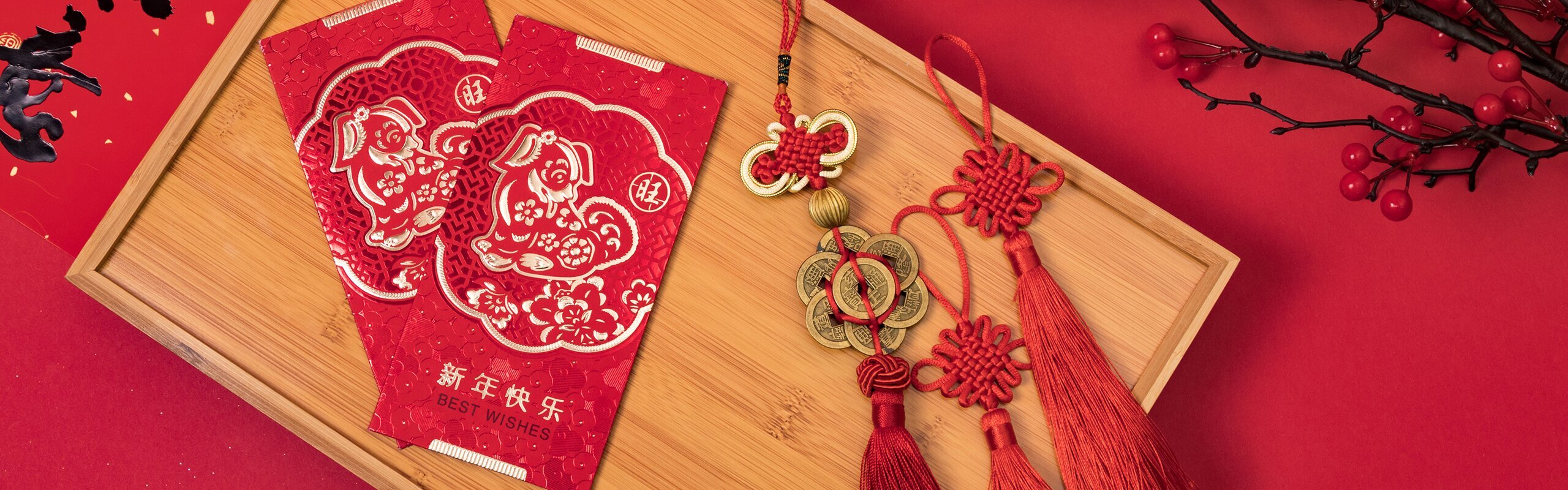

These traditional festivals will really introduce you to life in China. There are annual events like Chinese New Year, the Lantern Festival, the Qingming (Tomb Sweeping) Festival, Double Seven Festival, and the Winter Solstice.
The festivals introduced here have been selected for their traditional Chinese nature. Often the dates will vary from year to year because they are celebrated according to the Chinese calendar. See below for the dates. You may need to inquire for dates in the following year.
Traditional Festivals and Events List
1. Chinese New Year (Dates, Traditions, Animal Signs )

- 2025: January 29, 2025
Chinese New Year is also called Spring Festival. It is the most important festival to Chinese people. Many activities are held to celebrate the festival, such as dragon dances, setting off firecrackers, making dumplings, etc.
Read more about Chinese New Year.
2. China's Lantern Festival: Traditions, Activities, Places To Go
- 2025: February 12, 2025 (Wednesday)
The Lantern Festival is traditionally the last day of the Chinese New Year period. It became a festival about 2,000 years ago. Billions of lanterns and giant lantern and drone displays makes the time festive.
Read more about China's Lantern Festival: Traditions, Activities, Places To Go
3. Qingming Festival
- 2025: April 5, 2025 (Saturday)
Qingming Festival (around April 5) is Chinese people's day for visiting graves and burial grounds to pray their respects to their ancestors. It's known as Tomb Sweeping Festival in English. Many Chinese also go for a picnic during Qingming Festival to enjoy the picturesque scenery of spring.
Read more Qingming Festival
4. Dragon Boat Festival
- 2025: May 31, 2025 (Saturday)
The most popular and representative activity of Dragon Boat Festival is dragon boat racing. Dragon Boat Festival falls on month 5 day 5 of the Chinese lunar calendar (around mid-June). During this traditional festival in China, people customarily eat rice dumplings.
Read more about Dragon Boat Festival
5. Double Seventh Day - How to Celebrate China's Valentine's Day
- 2025: August 29, 2025 (Friday)
Double Seventh Day falls on the 7th day of the 7th month of China's lunar calendar (around mid-August); that's why it is called Double Seventh Day. Known as China's Valentine's Day, it is a festival that has legendary links with romance and love in China.
Read more about Chinese Valentine's Day
6. Chinese Mid-Autumn Festival
- 2025: October 6, 2025, Monday
In 2025, the Mid-Autumn Festival, also known as Mooncake Festival, will fall on October 6th (Monday). The Mid-Autumn Festival is celebrated in many East Asian communities... People celebrate it by gathering for dinners, worshiping the moon, lighting paper lanterns, eating mooncakes, etc. Learn more about Mid-Autumn Festival.
7. Winter Solstice (Dongzhi) Festival
- 2025:January 5, 2025 (Sunday)
Some Chinese celebrate the Winter Solstice on December 21st, 22nd or 23rd depending on the day it falls. It is a custom for people to eat dumplings and/or tangyuan with their family on the day of the Winter Solstice.
8. Summer Solstice (xià zhì夏至) — the Longest Day
- 2025: June 21, 2025 (Saturday)
Solar terms are a Chinese conception of the seasons and a product of the tireless exploration of the natural sciences by Chinese people's ancestors. "Summer solstice" is one of the most...
9. The Double Ninth Festival
- 2025: October 29, 2025 (Wednesday)
The Double Ninth Festival is also named Chongyang Festival. It is held on the 9th day of the 9th month of the Chinese lunar calendar (around mid-October). During the festival, enjoying chrysanthemums and climbing mountains are both popular activities in China.
Read more about The Double Ninth Festival
10. Hungry Ghost Festival
- 2025: September 6, 2025 (Saturday)
In China, special customs for memorizing the dead are held on Qingming Festival and Hungry Ghost Festival. Hungry Ghost Festival is the most important festival in month seven of the lunar calendar for Chinese people. The date, lunar month 7 day 15, is around late August.
Read more about Hungry Ghost Festival