
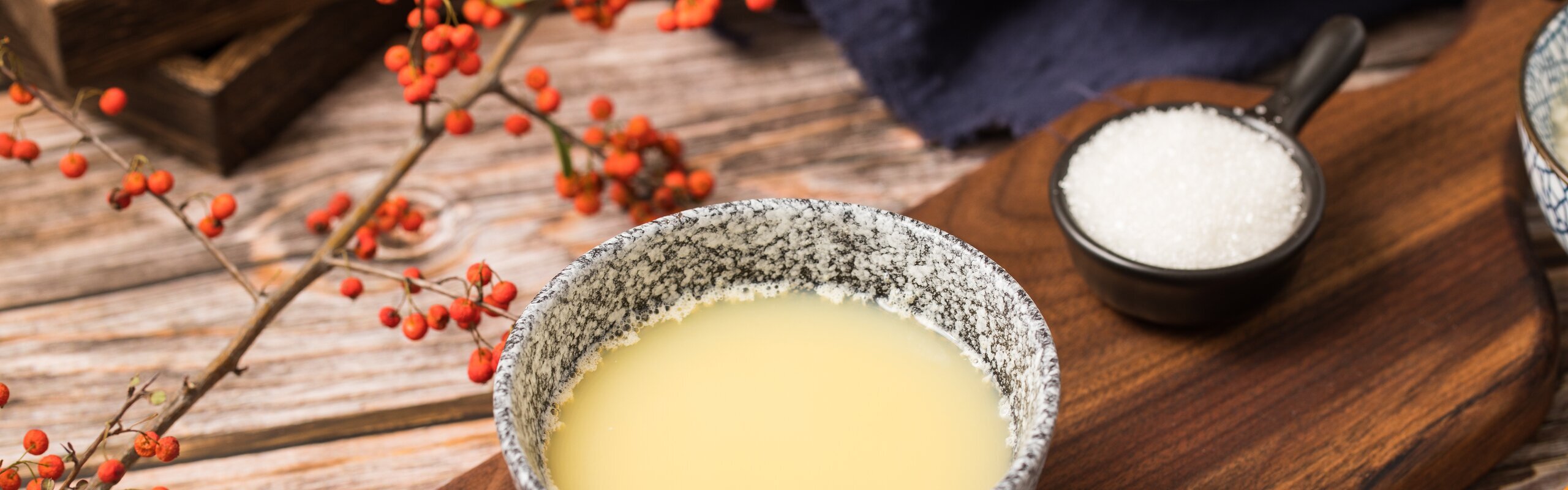

Tibetan food reflects the harsh, high-altitude environment where it comes from. With vegetables and fruits scarce on the plateau, the traditional diet centers on tsampa (roasted barley flour), butter tea, yak meat, and mutton—dishes that are often rich in oil and salt to provide energy against the cold.
Beyond these staples, Lhasa's food scene has also absorbed strong influences from Sichuan, Nepali, and Indian cuisines, giving you more variety than you might expect.
This guide walks you through what's worth trying, where to find it, and what to expect when you sit down to eat in Lhasa.
Content Preview
- A Quick Guide: What's Easy to Enjoy? What Takes Adjustment?
- What traditional and authentic Tibetan dishes are worth trying?
- Any Special Street Food in Lhasa?
- Where and What are the Top Restaurants in Lhasa?
- Practical Dining Tips
A Quick Guide: What's Easy to Enjoy? What Takes Adjustment?
If you're new to Tibetan food, start with these:
- Stone pot Tibetan chicken: Mild, flavorful, comforting
- Thukpa (Tibetan noodle soup): Simple and filling
- Yak meat: Familiar if you're used to beef
- Sweet tea: Easy to drink, no surprises
- Momos: Like dumplings you've had before
These require a bit more of an open mind:
- Butter tea: Salty, thick, and not sweet—give it a chance, but don't force it
- Tsampa: Dry and grainy, an acquired texture
- Yak yogurt: Extremely sour, better with sugar
If traditional Tibetan food isn't working for you, Lhasa has plenty of Nepali, Sichuan, and Western options to fall back on.
What traditional and authentic Tibetan dishes are worth trying?
Stone Pot Tibetan Chicken (石锅藏香鸡)
This is the most popular Tibetan dish among visitors. It's mild, comforting, and easy on the stomach, which makes it a great choice when you're adjusting to the altitude.
What makes this dish special is the pot itself. It's cooked in a stone pot made from natural soapstone from Motuo (Medog) in southeastern Tibet. This keeps the chicken especially tender and gives the dish a richer flavor. Many locals also believe the stone pot is good for your health, which is part of why this dish is so loved in Tibet.
Our recommended restaurant is Tiancun Stone Pot Tibetan Chicken (田村石锅藏香鸡) around the Barkhor Street. It's a warm and full meal, often shared, and perfect after a long day of sightseeing.
Thukpa (Tibetan Noodle Soup, 藏面)
A bowl of thukpa is how many locals start their day. The noodles are served with some yak meat in a clear broth made from yak bones. Some might feel a bit oily. It's simple, filling, mild, without much seasoning, and very affordable, reminding you of the sincere and down-to-earth local people.
You'll see it on breakfast menus across Lhasa, especially at tea houses. There won't be too many differences in this noodle soup between different restaurants.
Tibetan Momos (藏式包子)
Momos are a simple yet filling staple food. It is somehow similar to Chinese dumplings because of their shape and flavor. Some momos are also made in a round shape like Chinese buns (Baozi). The skin of momos is thicker, almost bready, and the filling is usually yak or mutton.
 Tibetan Momos
Yibi Re Bun Shop(伊比热包子店), located near Barkhor Street, is a local favorite, often packed with Tibetans lining up during meal times. The momos come out hot, best eaten with a dab of chili sauce to bring out their fresh flavor. The portion is so large that you can take it as a full meal.
Yak Meat (牦牛肉)
Yak meat is everywhere in Lhasa, and it is the primary meat consumed by the local people. You will find them in many dishes: grilled, stewed, dried into jerky, boiled in hotpot, or served over rice.
Yak jerkyThe meat is leaner and firmer than beef, with a slightly gamey flavor that's more pronounced when it's dried. Fresh yak, whether in hotpot or stir-fried with vegetables, is tender and rich.
Most Tibetan restaurants serve yak in multiple forms. You might try hand-pulled yak meat, yak meat hotpot, or a simple yak beef and potato rice bowl. It's one of the easiest Tibetan foods to enjoy if you're not ready for butter tea or tsampa.
Tsampa (糌粑)
Tsampa is made from roasted barley flour, the staple food of Tibetans for centuries. People will mix it with butter tea, kneading it by hand into a dough-like ball, and eat it in small bites.
The texture is grainy and dry, with a nutty, toasted flavor. It's filling and practical, but it takes some getting used to.
Locals tend to eat them at home, so it's hard to find Tsampa on most restaurant menus. But you can find them in traditional tea houses, just order some with a cup of butter tea and experience the local diet.
Butter Tea (酥油茶)
Butter tea is the most traditional Tibetan drink, and it's an acquired taste. Made from yak butter, brick tea, and salt, it's thick, savory, and almost soup-like.
Mixing it with Tsampa is a way to make it more acceptable to drink. However, it's incredibly effective at keeping you warm and energized at high altitude.
Butter tea and TsampaYou'll find it at most Tibetan teahouses and restaurants. If you're curious, try a small cup first. Some travelers find this taste hard to accept, while some may grow to love it.
Sweet Tea (甜茶)
Sweet tea is Lhasa's everyday drink, made from black tea, milk powder, and sugar. It's a milky, lightly sweetened tea that locals sip as their afternoon tea. If you don't like the taste of butter tea, sweet tea is another way to savor the authentic flavor.
Tibetan sweet teaGuangming Gang Qiong Sweet Teahouse near Barkhor Street is the most famous spot. The atmosphere is lively and communal, with Tibetans chatting over tea and noodles. It's a good introduction to local life. You can sit with locals, chat with them, and they might even share some local snacks with you.
The refill process is quite interesting: you need to prepare a 1-yuan bill and place it under your cup. The server will collect the money and refill your drink.
Any Special Street Food in Lhasa?
Yak Yogurt (牦牛酸奶)
Tibetan yogurt is not like Western yogurt. It's extremely sour—almost shockingly so—with a thick, custard-like texture. Most places serve it with a generous sweet topping, which you can mix in to balance the tartness.
Gushu Yogurt (古树酸奶) near Barkhor Street is a popular stop. You can get it plain or with toppings like osmanthus flowers or Ginseng fruit. If you don't like this overly sour taste, you can also try other yogurt-themed desserts, such as yogurt with ice cream and yogurt cake.
Yogurt Cake & Cheese Curd Cake (酸奶饼、奶渣饼)
These are small, sweet pastries sold at bakeries and snack stalls around Lhasa, and you can take them away as souvenirs. They are portable, inexpensive, and make for a quick snack between sightseeing stops.
One of the most famous shops is Chengzhong Anzhu Flatbread Shop (城中安珠饼子店).
Yogurt cake is made with dried yogurt mixed into a soft, slightly tangy dough, and you'll find it tastes like yogurt-flavored sponge cake.
Cheese cake (not the Western kind) looks similar to the yogurt cake, but it tastes drier and tougher. It uses dried yak cheese curds, giving it a chewy, mild sweetness.
Where and What are the Top Restaurants in Lhasa?
Most visitor-friendly restaurants in Lhasa are concentrated around Barkhor Street and the Jokhang Temple area. Everything here is walkable and easy to find, so you don't need to worry about transport just to get a good meal.
Authentic Tibetan food can be quite challenging for first-time visitors, so most places we recommend offer a more approachable mix of Tibetan, Nepali, and Indian flavors. The dishes are adjusted for broader tastes, and many restaurants provide English menus, vegetarian options, and rooftop seating. You can enjoy a relaxed meal while looking out over Barkhor Street.
Here are our top picks and their highlights:
Makye Ame Restaurant (玛吉阿米): Offering a sweeping view of Barkhor Street, you can enjoy beautiful Tibetan songs sung by local performers
Tibetan Family Kitchen (藏家厨房): Locals' favourite, offering excellent Tibetan dishes and vegetarian food
Gangji Restaurant (剛吉餐厅): High value in price with a good view
Sangjilam Lhasa Cuisine (桑吉拉姆拉萨菜): Recommended by locals for its traditional Lhasa-style cooking, warm and attentive service
Namaste Restaurant (娜玛瑟德): One of the most popular Nepali restaurants, with authentic and delicious cuisine
Cuomu Liangfen (措姆凉粉): Affordable spicy street food, a good stopover during your trip
DUNYA Restaurant (敦亚餐厅): Western-style restaurant, quite popular among foreign visitors, serving steak, salads, and some Nepalese dishes
Summit Café (頂峰咖啡店): A quiet, modern space for good coffee and Western-style desserts, ideal for an afternoon break
If you're homesick or just need something familiar, Lhasa has KFC, McDonald's, and a few Western-style bakeries and coffee shops scattered around the city. They're not particularly interesting, but they're reliable if you need them.
Practical Dining Tips
What to Expect Pricewise
Dining in Lhasa is generally affordable, though prices vary depending on the type of restaurant:
- Street snacks and teahouses: RMB 1–20 (USD 0.1–3) — sweet tea, fried potatoes, noodles
- Mid-range Tibetan restaurants: RMB 60–90 (USD 8–12) per person — Gangji, Snowland, Tibetan Family Kitchen
- Higher-end or specialty restaurants: RMB 80–180 (USD 11–25) per person — Makye Ame, stone pot chicken, hotpot
Most restaurants accept WeChat Pay and Alipay, but credit cards may not be accepted in some places. You can ask your guide for help.
Are There Any Vegetarian and Dietary Options in Lhasa?
Lhasa is surprisingly vegetarian-friendly. Many restaurants offer vegetable momos, noodle soups, fried potato dishes, salads, and rice-based meals. Nepali and Indian restaurants like Namaste and Tibetan Family Kitchen have dedicated vegetarian and vegan sections on their menus.
If you have dietary restrictions, don't hesitate to tell us, and your guide will carefully arrange the food for you during the trip.
Explore Lhasa Food with Us
When you travel with us, we'll help you navigate the dining scene based on your preferences. Whether that means booking a table at a rooftop restaurant with views of Jokhang Temple, finding the best spot for momos, or steering you toward vegetarian-friendly options, our local guides know where to eat, what to order, and how to make the most of every meal.
Ready to taste Lhasa? Contact us to start planning your Tibet journey, or explore our popular tours below: