
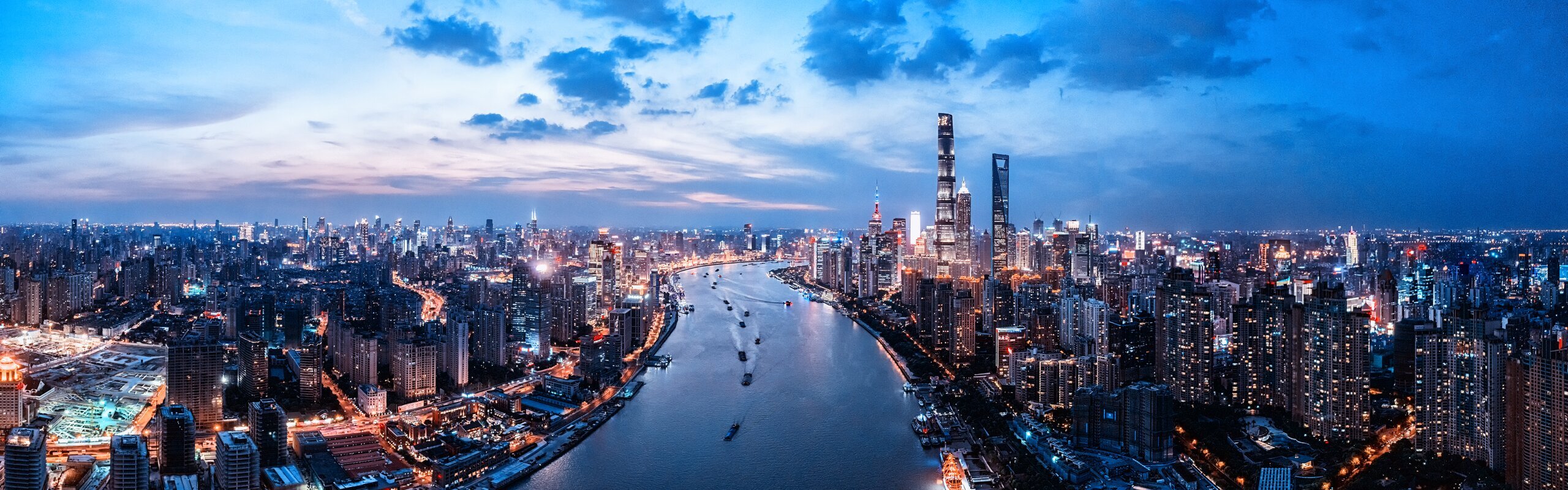

We're often asked when the best time is to visit Shanghai.
Shanghai has a humid subtropical climate with four distinct seasons, and there's something to enjoy anytime you visit.
The simplest answer: autumn (September to November) is sunny, mild, and dry, and relatively uncrowded. Spring (March to May) is also lovely, though a bit more humid with occasional light rain.
But if you want to avoid the crowds or catch a specific seasonal highlight, a general "best season" answer isn't always enough.
Based on our experience and customer feedback, we've found that timing your trip around specific periods can make a big difference. We'll share those insights below, so you can plan a vacation that's as close to perfect as possible.
Considering your stay in Shanghai may not be too long, you may also want to know how to plan a Shanghai trip that meets your needs and travel length.

Content Preview
- Autumn and Spring: Top Choices
- Winter: The Cheapest Time
- Summer: The Worst Time Without Strategies
- Dates to Avoid in 2026/2027
Autumn and Spring: Your Top Choices
Wukang Mansion in Autumn, Shanghai, ChinaAutumn (September to November) is the best season to travel to Shanghai.
Summer crowds, the rainy season, and heatwaves begin to fade, prices return to normal, and the weather is perfect for leisurely city walks.
- For more stable weather, plan your trip for later than mid-September, and check the forecast before you go. Typhoons can affect Shanghai from July to September, but the probability drops sharply after mid-September.
- Beyond weather, if you're hoping to see Shanghai's autumn colors, aim for mid-November to mid-December. Due to global warming, this cooler window has become a more reliable time for foliage.
See more details for traveling in:
Cherry blossoms in full bloom at Guyi Garden in Shanghai in springSpring (March to May) is also a great time to visit Shanghai, offering pleasant days around 15°C (59°F) but more light rains (9 rainy days vs. 6 rainy days) compared to autumn.
- If you want to experience the traditional Chinese ink painting-like beauty of the water towns, March and April are the best months to visit.
- Early to mid-March can be relatively cold, so if you're sensitive to the cold, consider visiting after mid-March.
- Late March to early April is the cherry blossom season, where you can enjoy great scenery at spots like Hongkou Football Stadium and Gucun Park.
See more details for traveling in:
Winter: The Cheapest Time
Lantern Festival at Shanghai City God TempleWinter (December to February) in Shanghai is cold and damp. It rarely sees snow and mainly experiences rain.
Despite the cold, winter offers two big advantages: costs are generally about 30% lower than normal, and crowds are the thinnest of the year—except around late December (Christmas and New Year celebrations) and early February (Chinese New Year).
Aim for December if winter is your only option, when it is a festive month and the days are not that cold, which means you may still witness Shanghai's beautiful foliage.
As for January and February, the coldest months, it is better to focus on indoor activities with heating, such as admiring ancient bronzes at the Shanghai Museum, marveling at the stunning Jade Buddha at the Jade Buddha Temple, and attending a cooking class in a traditional longtang home.
See more details for traveling in:
Summer: The Worst Time Without Strategies
Our clients are taking a boat tour in Zhujiajiao Water TownSummer (June to August) is Shanghai's hottest, rainiest, and most typhoon-prone season, with average monthly rainfall of 5.2 inches and temperatures around 80°F (27°C).
Early to mid-June is your best window, when the temperatures and crowds haven't peaked yet, and rain is less frequent.
July is the hottest and most crowded month. Expect significant increases in hotel and airfare prices, as well as large crowds at attractions.
August is slightly cooler and less crowded than July, but typhoons are more likely and can affect flights. Be sure to check weather forecasts carefully and plan accordingly.
Travel with China Highlights
Even in peak summer, a well-planned trip can still be enjoyable.
We (China Highlights) have designed a series of flexible itineraries that you can enjoy peaceful moments even in the busy season, such as air-conditioned indoor activities, off-peak visits to popular spots like Zhujiajiao Water Town, and a night cruise on the Huangpu River for the stunning view.
See more details for traveling in:
If Your Travel Time is Flexible: Dates to Avoid in 2026/2027
For mild weather and fewer crowds, aim for mid-March to late May, or mid-September to mid-November.
To save on rates and avoid the busiest times, try to avoid the peak tourist season (July to August), weekends, and Chinese public holidays.
- Chinese New Year: Feb 16-23, 2026 / Feb 5-14, 2027
- Labor Day Holiday: May 1-5 (both years)
- National Day Holiday: Oct 1-7 (both years)
Still haven't decided how long to spend in Shanghai? Check out our Shanghai Itinerary Guide for inspiration.
Special Note for 2026
The Mid-Autumn Festival holiday (Sep 25-27) falls just three days before the National Day. Domestic travelers are likely to take extra days off to create a longer break.
If you're sensitive to crowds and holiday pricing, it's best to avoid Sep 25-Oct 7.