
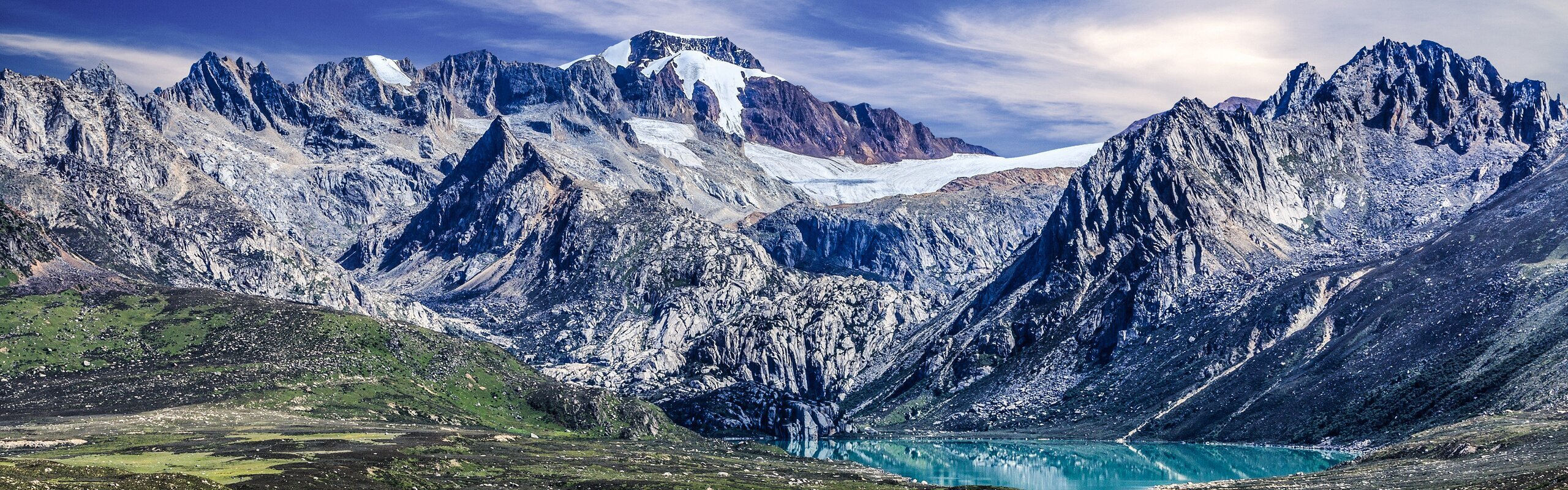

February is one of the coldest months in Tibet. Nights drop well below freezing across almost all regions, but the climate in major cities like Lhasa is drier, sunnier, and often more comfortable than winter in many parts of northern Europe or North America.
Roads in northern and western Tibet, including areas around Namtso and Ngari, can be blocked by snow, so these places are not suitable for travel in February.
This is the low travel season, so tourist sites are quiet, the sky is crystal clear, and snow landscapes are stunning. Noted that Tibet usually closes to foreign travelers in late February during Tibetan New Year.
Weather Averages in February
- Temperature range: –6 to 9°C (21 to 48°F)
- Rainfall: 1 mm/ 0.1"
- Snowfall days: 1
- Clear days: 14
- UV index: High
Climate Overview of Major Destinations

| Destination | Temperature range (°C/℉) | Clear days |
|---|---|---|
| Lhasa | −8 to 12 /18 to 54 | 11 |
| Shigatse | −14 to 12 /9 to 54 | 14 |
| Everest Base Camp | −16 to 3 /3 to 37 | 15 |
| Nyingchi | −4 to 11 /25 to 52 | 9 |
| Ngari | −19 to −2 /−2 to 25 | 16 |
In February, temperatures start to rise slightly, and crowds remain low, making travel in major cities like Lhasa, Shigatse, and Nyingchi comfortable and enjoyable.
Everest Base Camp is still open for visits, and it's better to visit EBC during the warmer, sunnier afternoon hours. We don't recommend staying overnight. Instead, we suggest staying Tashizong (often called "Everest Town"), about 50 km from the base camp, where rooms are warmer and more comfortable.
Some high-altitude regions become too cold or unsafe to visit in Winter. Ngari area, Mount Kailash and Namtso Lake often experience severe cold, heavy snow, or road closures, so we suggest avoid visiting these areas in February.
Best Things to Do in February
Meet Mount Everest from Everest Base Camp
February is still a good month to visit Everest Base Camp. It's cold, but this is also one of the best times of the year to see Mount Everest in full clarity. The weather is dry, stable, and crisp, giving you a high chance of seeing the summit without clouds or fog. The mountain often appears sharp and majestic against a perfectly blue sky.
Mount EverestOn clear days, you may catch the famous "golden summit" at sunrise or sunset, when the light sweeps across the peak and turns it into a fiery shade of gold. Check our 8-Day Lhasa to Everest Base Camp Tour.
Catch the Last Blue Ice
February is the final month to see Tibet's seasonal blue ice. The best places are Laigu Glacier in Nyingchi and Qiangningcuo Lake near Karola Glacier.
For the most dramatic experience, head to Laigu Glacier. It's one of the world's three major maritime glaciers and the largest blue-ice glacier in Tibet. When the surface is fully frozen from December to February, you can walk close to the glacier and even explore its blue ice caves. The ice here is crystal-clear like glass and shines like sapphire, creating an otherworldly scene that feels almost Antarctic. You can see our 7-Day Lhasa, Nyingchi, and Bome Tour.
Laigu GlacierIf you're short on time, Qiangningcuo is the easier option. This small, little-known lake sits near Karola Glacier and is the closest place to Lhasa where you can see blue ice on a day trip. The ice here isn't transparent, but it forms beautiful natural patterns and glows blue under clear skies. You can sit or lie on the frozen surface, and photos taken from above look especially striking.
Qiangningcuo LakeCrowds and Costs
February is part of Tibet's low travel season. The cold weather and the desire for Chinese families to stay home for Chinese New Year keep most domestic tourists away. Even during the holiday week, you'll only notice a small bump in visitor numbers.
You'll also see more locals than usual. Many nomads and mountain residents come down to the cities for winter, and Tibetans visit temples for seasonal worship, giving you a closer look at daily life.
Travel costs stay friendly in February. Hotels in Lhasa and Shigatse are cheaper, flights are more affordable, and train tickets are easier to secure. If you need help arranging everything smoothly, we're happy to assist.
What to Wear
February in Tibet feels warm under the sun but cold once the wind picks up or the sun goes down. Dressing in layers is the best way to stay comfortable. Wear a thermal base layer, a fleece for warmth, and a down jacket or windproof shell on top. For your lower body, fleece-lined pants or windproof trousers work well.
Footwear matters too. Bring warm, waterproof hiking shoes and thick socks to handle cold ground and occasional snow. Gloves, a scarf, and a warm hat make a big difference at higher places like Namtso or Everest Base Camp. UV rays are still strong in winter, so pack sunglasses and sunscreen.
Altitude Sickness Risk
Winter makes altitude sickness more likely. The air is colder and drier, so breathing feels harder and your body takes in less oxygen.
To reduce the risk, start in Lhasa and rest for at least two nights before going higher. Drink warm water, eat light meals, and walk slowly. Avoid running, rushing, or climbing too quickly during your first two to three days.
If you know you are sensitive to high altitude, choose an easier route. If symptoms get worse instead of better, stop ascending and rest or return to a lower altitude.
Tibet Weather by Month
| January | February | March | April |
|---|---|---|---|
| May | June | July | August |
| September | October | November | December |
For a summary, see The Best Times to Visit Tibet.