
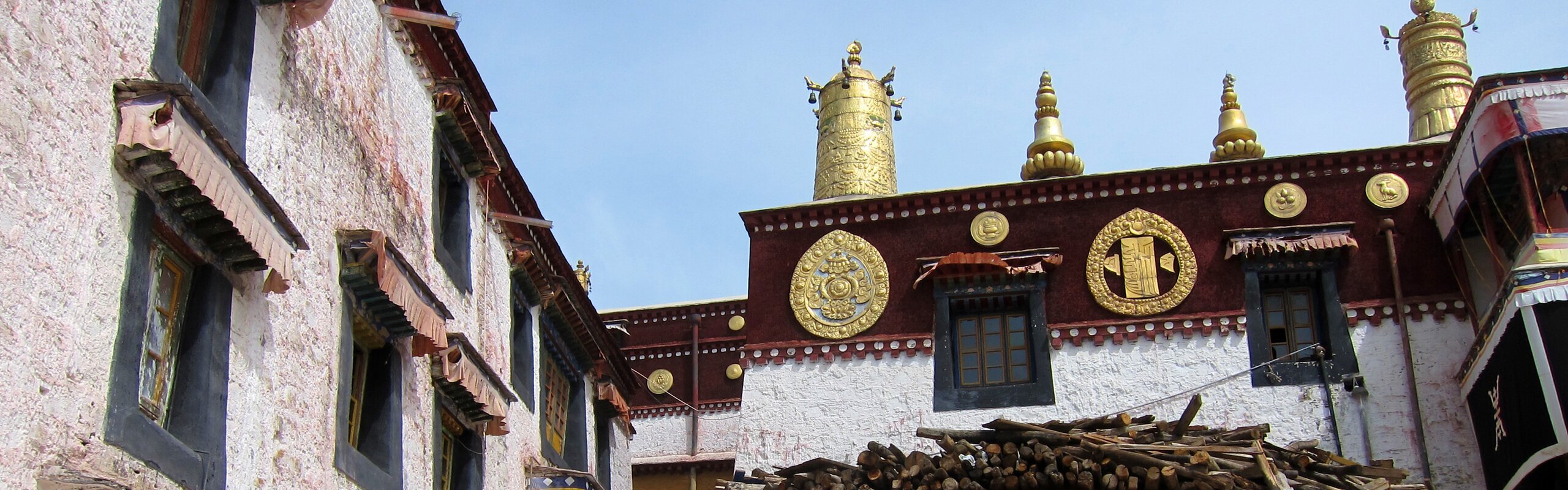

Founded in 1416, Drepung is the largest monastery in Tibet and one of the three great monasteries of the Gelug school of Tibetan Buddhism. No crowds, no souvenir stalls—just monks going about their day, the faint smell of butter lamps drifting through ancient halls, and a quiet that comes from centuries of serious Buddhist scholarship.
If you're looking for the one place that shows you what Tibetan monastic life actually looks like, Drepung Monastery is it. Here's a complete visiting guide that can help you have a deeper understanding of it.
Facts
- Chinese name: 哲蚌寺 Zhébàng Sì
- Location: No. 276, Beijing West Road, Chengguan District, Lhasa, Tibet; about 10km west of central Lhasa
- Open: 09:00–16:30; many of the main halls close after 15:30
- Ticket: CNY 60/ USD 8
- Duration: 2-4 h
- Suitable for: Photography, history and culture lovers; travelers who are interested in Tibetan Buddhism; first-time travelers to Tibet
3 Unique Experiences You Can Have at Drepung Monastery
1. Walk through what once felt like a "monastic city"
Unlike many temples in Lhasa, Drepung spreads across the mountainside like a small town.
As you walk through it, you'll see rows of monks' residences, courtyards, and different colleges connected by narrow paths. At its peak, more than 10,000 monks lived and studied here, making it once the largest monastery in the world.
Walking here feels less like visiting a temple and more like exploring a living monastic campus. You'll find monks studying texts, moving between buildings, occasionally gathering for debate. Unlike Sera Monastery's scheduled afternoon debates, any debates you come across here happen randomly in their own way and not just for visitors.
 Drepung Monastery
 2. Visit the former residence of the Dalai Lamas
Inside the monastery, you can visit Ganden Phodrang, the residence where the Dalai Lamas once lived and governed Tibet before moving to Potala Palace.
As you walk through the halls, you'll see the ceremonial rooms and religious spaces connected with that period of Tibetan history.
Noted that Ganden Phodrang is located a little bit far from the starting point. Reaching it requires a longer walk and climbing more stairs, so you may need to consider the extra time and effort when planning your visit.
3. Witness the most spectacular moment of the Shoton Festival
If you visit during the Shoton Festival (usually in August), the monastery becomes the center of one of Tibet's most dramatic religious events.
Thangka unveiling at the Shoton FestivalAt sunrise, monks unfold a giant thangka on the mountainside, while thousands of Tibetans gather to pray and offer blessings. The scene — filled with pilgrims, chanting, and colorful prayer scarves — is one of the most powerful cultural moments you can witness in Tibet.
Tip: Arrive by 6:00 am at the latest on the morning of the unveiling. The crowds build quickly, and the best viewing spots go early. Having a local guide with you makes a real difference—they'll know exactly where is the best place to watch and can explain what's unfolding as it happens.
How to Visit Drepung Monastery
Drepung is vast, having once accommodated nearly 10,000 monks who lived and studied here. You could spend an entire day here and still not see everything, so the key is to focus on the main buildings and a handful of the smaller chapels nearby.
We suggest planning 2–3 hours for the Drepung Monastery; the time is just right for you to visit the highlights and experience its atmosphere.
The Tsokchen Assembly Hall is the main highlight of the temple, where you can see life-sized statues of Maitreya Buddha at the ages of twelve and eight.
Monks are chanting in Tsokchen Assembly HallAdditionally, since the temple is built into the mountainside, the climb to an altitude of 3,700 meters can feel more demanding than expected. Spending too much time climbing between different sections may leave you tired and affect the rest of your day's itinerary.
Our suggested route is to skip Ganden Phodrang and focus instead on Tsokchen Assembly Hall, the hilltop viewpoint, and the smaller attractions in between—the Great Kitchen, the monks' quarters and a few of the chapels dotted around the complex.
You'll still get a real sense of Drepung's religious atmosphere, academic life and everyday rhythms, without covering the full distance. It's a good balance for most visitors.
Travel Tips
1. Not ideal for visitors with limited mobility
Drepung Monastery involves a considerable amount of walking and many unavoidable stairways, as the complex spreads across the mountainside.
2. Suggest combining with Sera Monastery
Both monasteries sit on the outskirts of Lhasa and are relatively close to each other. The drive between them takes about 30 minutes, so you can visit both on the same day.
You could visit Drepung Monastery in the morning and Sera Monastery in the afternoon, which is the best time to watch the famous monk debates.
If you want to make the most of the day, you could also add Norbulingka in the morning to see the former summer residence of the Dalai Lamas, then head to Drepung afterward.
You could see our 4-Day Lhasa Highlights Private Tour for a more detailed itinerary suggestion.
Visit Drepung Monastery with Us
Drepung is one of those places that's easy to walk around but takes real knowledge to understand. Our private Tibet tours include a dedicated Tibetan guide, comfortable private transport and all necessary permits arranged for you.
Whether you're planning a focused day in Lhasa or a longer journey across the plateau, we'll build the itinerary around your pace, your interests and the experiences that matter most to you. Contact us to start planning, or take a look at our suggested Lhasa itineraries: