

When it comes to China's culinary cities, Xi'an stands out for very clear reasons. As the starting point of the Silk Road, its cuisine is built around wheat and lamb, shaped by long-standing Muslim traditions, and influenced by Central Asian flavors.
I've been to Xi'an three times, and each trip changed how I viewed at its food. The first time, I focused on famous dishes. The second time, I paid more attention to where locals actually eat. By the third visit, meals became a way to read the city itself.
In this guide, I'll share how I approach eating in Xi'an, where to go, and how to structure your meals if you want to understand the city through its food, not just check dishes off a list.
Content Preview
What to Eat in Xi'an
During my three trips to Xi'an, these six foods were a must-eat each time.
After trying them, you'll likely get a sense of Xi'an cuisine: mainly noodle-based, with a common use of lamb, and flavors that are tangy and spicy but not overwhelming. The taste is also quite approachable for first-timers to China.
- Roujiamo: Often called the "Chinese burger." Tender braised meat is stuffed into a freshly baked bun. With one bite, you get the juicy meat and the fragrant bun. It's my top pick for Xi'an food.
 Roujiamo
- Yangrou Paomo (Lamb Soup with Crumbled Flatbread): Bread is broken into small pieces and soaked in rich lamb soup, eaten together. Breaking the bun is part of the experience. If you don't eat lamb, you can opt for the beef version.
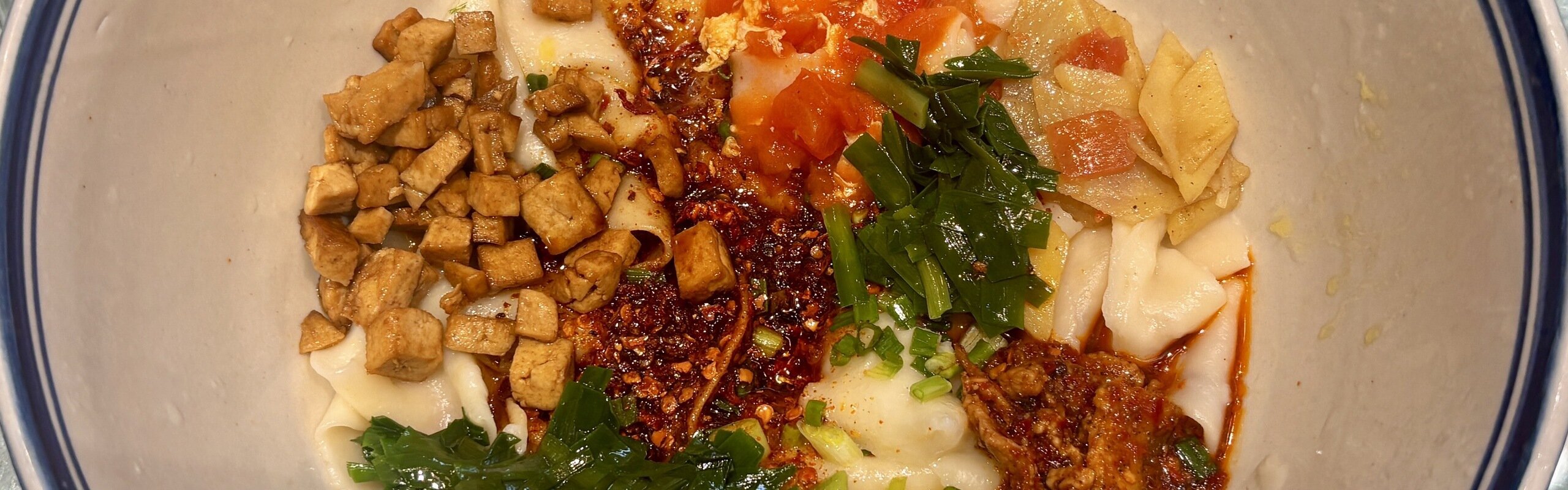
Yangrou Paomo- Biangbiang Noodles: Wide, belt-like handmade noodles, about a meter (3.3 feet) long, served with spicy oil. Each bowl usually has only 3-4 noodles. If you can't handle spicy food, you can ask for a mild or non-spicy version.
Biangbiang Noddle- Liangpi (Cold Noodles): Thin sheets made from rice or wheat flour, cut into strips and mixed with sesame sauce, garlic, chili oil, and vinegar. It's tangy and refreshing, ideal for a change after several flour-based dishes.
Liangpi- Hulu Chicken (Crispy Steamed-and-Fried Chicken): A whole chicken that's boiled, steamed, and fried, crispy outside and tender inside. It looks like fried chicken but has a more Chinese flavor.
- Sour Soup Dumplings: Dumplings served in a tangy, spicy soup, a unique Xi'an way of eating them.
If you're traveling with kids, these sweet treats are more kid-friendly:
- Zenggao (Steamed Sticky Rice Cake with Red Dates): A sweet cake made from layers of glutinous rice, red dates, and red beans, with a strong date flavor.
Zenggao- Honey Rice Jelly: Steamed glutinous rice cake topped with rose or osmanthus syrup, chewy and sweet. Some vendors add nut powder, so be cautious if you have nut allergies.
- Persimmon Pancakes: Small cakes made from Lintong persimmons mixed with batter and fried, crispy outside and chewy inside. They're seasonal, typically available from September to April.
Persimmon PancakesIf you want to try what locals really eat, you can explore these, but be prepared for bold flavors, as people in Xi'an generally prefer stronger tastes.
- Luzhi Liangfen (Mung Bean Jelly in Savory Sauce): Chilled jelly cut into pieces, topped with rich sauce, sesame paste, garlic water, and served with bread chunks, braised eggs, and century eggs. I tried it but found the sesame paste a bit overwhelming.
Luzhi Liangfen- Fentang Yangxue (Lamb Blood Soup with Glass Noodles): Lamb blood and vermicelli in a rich soup, with chili oil and cilantro.
- Youcha Mahua (Savory Grain Porridge & Fried Dough Twists): A thick drink made from flour, walnuts, and peanuts, served with crispy dough twists.
For Muslims, Xi'an offers a convenient and welcoming dining environment, with halal restaurants widely available. The halal food here isn't just for tourists; it's what locals eat every day. For example, Yangrou Paomo is inherently halal, and Roujiamo can be found with beef or lamb instead of pork.
If you are vegetarian, see our Top 6 Vegetarian Restaurants in Xi'an, recommended by our local guide.
Where to Eat in Xi'an
The food streets of Xi'an are primarily concentrated within the city walls, as this is the old town area, offering more authentic flavors.
If you want to experience the most lively and iconic food atmosphere in Xi'an and capture some memorable moments, the Muslim Quarter is your top choice. Located near the Bell and Drum Towers, it is often the starting point for many people discovering Xi'an cuisine for the first time.
The main street, Beiyuanmen, is the busiest but also quite commercialized.
For a more local experience, we recommend exploring the surrounding alleys, such as Dapiyuan, Xiyangshi, and Beiguangjijie. These areas host many time-honored brands and have a noticeably slower pace, making them perfect for sitting down and enjoying a meal.
Muslim QuarterIf you're more interested in local food as part of everyday life, Sajin Bridge is a better choice. This street is still within the Muslim Quarter area, but with significantly fewer tourists, it feels more like a neighborhood street serving local residents, especially vibrant during breakfast time.
If you want to sample a variety of Shaanxi snacks in a limited time, Yongxingfang is the most efficient choice. This centralized food space gathers over 50 stalls offering local Shaanxi snacks. Interactive experiences like "smashing bowl liquor" make it more of an "experiential food venue."
YongxingfangA Recommended Food Tour
To truly eat like a local in Xi'an, this food tour follows the city's real daily eating rhythm, with food recommendations for breakfast, lunch, and dinner. All is centered around the Muslim Quarter and the Bell and Drum Tower area.
Start your day with a typical Xi'an breakfast of Youcha Mahua (fried dough with tea). This is a classic way to begin your day here.
You'll gradually understand the Northern Chinese breakfast logic of "warming your stomach to steady the day," while also experiencing the culinary influences from Xi'an's long-standing connection with the Silk Road. This warm, hearty combo is excellent for starting your day and is filled with local flavor.
Recommended spot: Lao Wu's Youcha Mahua/老乌家油茶麻花 (on Hongbu Street in the Muslim Quarter), a 30-year-old establishment.
Youcha MahuaFor lunch, try a bowl of noodles. Xi'an locals can't live without them, and among the many options, Biangbiang Noodles are one of the most iconic choices. They're simple yet satisfying, great for fueling your afternoon adventures.
You'll experience the chewy texture from from the wheat grown in the Guanzhong region of Shaanxi, and understand why "oil-splashing" is so beloved here—the aroma is instantly released, offering a quintessential local taste experience.
Recommended spots: Ai Hua Ku Dai Noodle House/爱骅裤带面馆 (Bell Tower branch), Shang Zhai Liao Zha Lie Noodle House/尚寨嫽扎咧面馆 (Bell Tower branch).
Our guests tasted Biangbiang noodles Dinner should be more substantial to wrap up your day. Besides noodles and steamed buns, dumplings are also an essential part of Xi'an's flour-based foods.
I recommend De Chang Fa/德长发 near the Bell and Drum Towers. Known for "a dumpling for every shape and flavor," they offer 318 varieties.
In this delicious and visually appealing dumpling feast, you'll see how Xi'an locals transforms ordinary noodles into a creative ritual. From gourmet ingredients to everyday vegetables, each bite is like opening a little surprise box.
Moreover, dining here in the evening, you can reserve a seat with a view of the Bell Tower at night, adding a perfect Xi'an touch to your day.
De Chang Fa's Dumpling BanquetTaste Xi'an's Local Food with China Highlights
Food in Xi'an is best experienced with someone who truly lives in and knows the area. With our private Xi'an tours, your guide will take you beyond the famous food streets to small local places they personally recommend and frequent, often hidden away from tourist paths. You might even enjoy a home-style meal with a local family.
Here, meals are woven into the journey rather than squeezed between sights. Let us design a Xi'an food experience tailored to your pace, preferences, and curiosity, so you leave with more than memories of good food—you gain a deeper understanding of the city.