
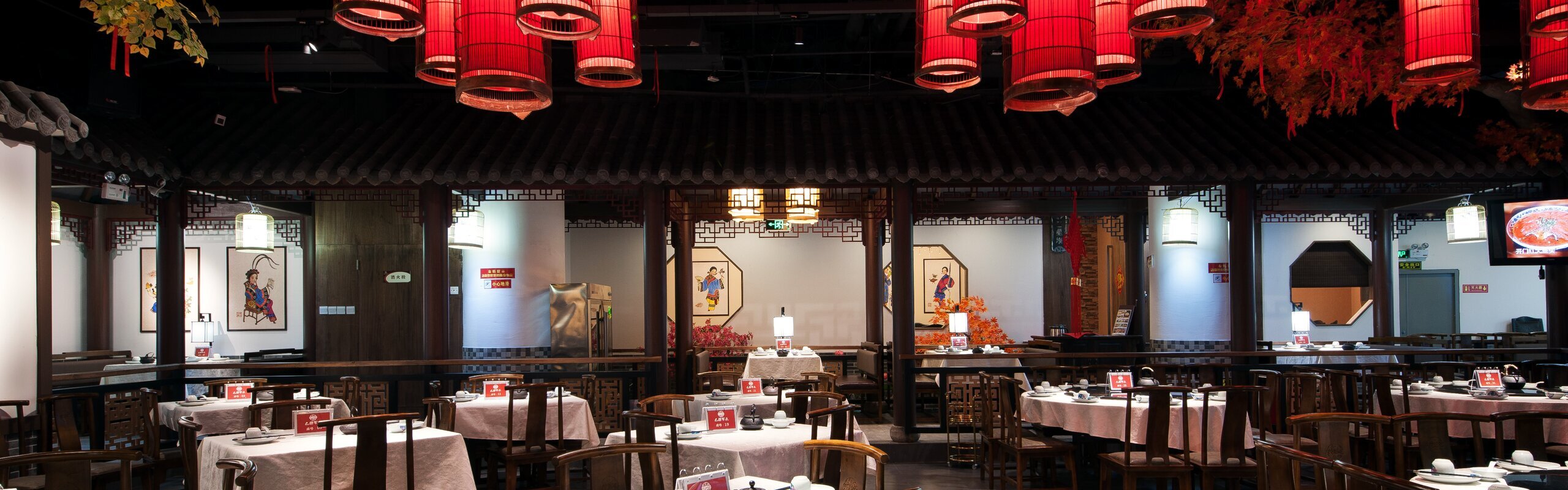

When many people first plan their Guangzhou food tour, they start by researching "which restaurant is the most famous." But what actually shapes your experience isn't whether you make it to that hype spot.
It's whether you go to the right place at the right time, and order the classic dishes that locals come back to again and again.
Guangzhou is at its best when you stop chasing the "most famous" restaurant and start eating the dishes locals actually return for every week.
What Locals Actually Eat in Guangzhou? Dim Sum is Just the Beginning
While dim sum is absolutely part of the experience, locals do not eat it every day. Their daily diet often includes claypot rice, roast meats (especially goose and char siu), congee, Cantonese soups, stir-fried seasonal vegetables, and simple noodle or rice dishes.
Dim sum is more of a weekend or social meal than an everyday routine.
1. Yum Cha (Dim Sum) - The Classic Guangzhou Experience

If you only have time for one classic food experience in Guangzhou, make it yum cha. Not because the food is necessarily the most exciting meal you'll eat, but because nowhere else gives you a better look at how locals gather, socialize, and spend a slow morning together.
Beyond the atmosphere, variety is another major feature of Guangzhou's dim sum. There are over 50 types of dim sum to choose from, with extensive menus that let you try many different Cantonese dishes in one sitting.
But for first-time visitors, walking into a bustling tea house and ordering like a local isn't always easy. Our private Guangzhou food tour takes you straight to the city's most beloved dim sum spots, so you can sit back, relax, and eat like a local from the very first bite.
For dim sum restaurant recommendations, we have included some below. Please keep reading.
2. Cantonese Roasted Meats - What Many Visitors End Up Loving Most
Walk through any neighborhood in Guangzhou and you'll spot them: whole roasted ducks and geese hanging in glass-fronted shop windows, their lacquered skin catching the light in deep amber tones.
Roast Goose (Shao E): The star. Skin shatters like glass, meat underneath is tender and juicy. Served with plum sauce.
Roast Suckling Pig (Kau Ju Zhu): A celebration dish. The skin blisters like perfect caramel; the meat stays tender.
Honey-Glazed Char Siu: Sweet, savory, deeply fragrant. Equally good on its own or stuffed inside a bun.
Roast Pigeon: Roast pigeon especially surprises many first-time visitors because it is crisp, flavorful, and far less intimidating than it sounds.
Best time for roast meats: 11:30 AM–1:00 PM and 5:30 PM–7:00 PM when shops bring out the freshest cuts straight from the oven.
For roast meat restaurants, you can choose from casual street-side shops, or you can also find more upscale Michelin-rated options:
- Bing Sheng (炳胜餐厅) (1 Michelin Star) This is where to go for the finest roasted meats in the city.
- Jiang by Chef Fei (江餐厅) (2 Michelin Stars - Mandarin Oriental Hotel) The restaurant brings a refined, creative approach to Cantonese cooking.
3. Congee, Claypot Rice, and Everyday Cantonese Food
This is the food locals eat most frequently during ordinary weekdays.
Sampan Congee (Ting Zai Zhou): The rice porridge cooked to a silky consistency, topped with fresh fish slices, jellyfish strips, fried dough sticks, peanuts, and spring onion. If you are unsure about organ meats or unfamiliar textures, start with seafood or fish congee first.
Clay Pot Rice (Bao Zai Fan): Uncooked rice goes into a clay pot with preserved sausage, cured pork, and greens. As the rice cooks, the grains at the bottom toast against the clay, forming a thin golden crust, the guoba. (The best claypot rice restaurants are busiest in the evening, especially during cooler months.)
Slow-Cooked Cantonese Soup (Lou Fo Leung Tong): In almost every Guangzhou home, a pot of lou fo leung tong (old fire soup) simmers for 2-4 hours daily. It's not a side dish, it's the center of the meal.
These dishes can be found on almost every neighborhood street, but the most authentic versions are typically found in restaurants in the Xiguan old Guangzhou area.
4. Cantonese Sweet Soups (Tong Sui) - The Perfect Sweet Ending
No meal in Guangzhou is truly finished until you've had something sweet, and in this city, that means tong sui, Cantonese sweet soups and puddings. They're the ideal way to close out a big meal.
Double-Skin Milk Pudding (Shuang Pi Nai): The one to start with. Made by layering two thin skins of cooked milk around a silky, just-set custard center, it wobbles slightly when you tap the bowl. (This is usually the easiest Cantonese dessert for first-time visitors to enjoy.)
Black Sesame Paste (Zhi Ma Hu): Richer and more intense. A warm, velvety bowl of ground black sesame is deeply nutty and satisfying in a way that surprises first-time visitors. (Some people love it immediately. Others need a few spoonfuls to get used to the flavor.)
Ginger Steamed Milk (Jiang Zhuang Nai): The most theatrical of the three. Hot fresh milk is poured over a spoonful of fresh ginger juice. The milk sets into a silky curd right in the bowl. It's gently spiced, slightly sweet, and one of those things you'll think about long after you've left Guangzhou.
You can easily find these desserts on Guangzhou's food streets. Some of the famous shops near Xiguan's Yongqing Fang include Nanxin Milk Dessert (南信甜品), Shawan Jiang Mai Nai (沙湾江埋奶), and Shunji Ice Room (顺记冰室).
Which Dim Sum Restaurant Is Actually Worth It
One of the easiest ways to judge a Dim Sum restaurant in Guangzhou is to look at who is eating there and how quickly the food is moving.
A busy tea house filled with local families is usually a much better sign than an empty "famous" restaurant built mostly for tourists.
For roast meats and dim sum especially, freshness matters a lot, so places with constant turnover often serve better food simply because trays and meats are being made and replaced continuously throughout the day.
Of course, if you're still not sure, you can choose some well-known breakfast restaurants such as Tao Tao Ju, Dian Dou De, and Guangzhou Restaurant. They have branches in various districts and are easy to find. Read more about Guangzhou Dim Sum.
Tips: For the best atmosphere, try arriving between 8:00 AM and 9:30 AM. Before 8:30 AM, many tea houses are filled mostly with retired locals chatting and slowly drinking tea. After 10:00 AM, especially on weekends, many famous tea houses become much more crowded. Waiting 45–90 minutes is common at popular branches.
The Mistakes First-Time Visitors Usually Make When Eating Dim Sum in Guangzhou
The first common mistake is mistakenly assuming that time-honored local restaurants (laozihao) are high-end, refined dining establishments. The staff at these restaurants are often very busy and cannot dedicate their attention to just one table. They also don't speak English, so they won't be able to explain the dishes or provide service in English.
The second issue is that the restaurants can be too noisy for some visitors. Loud families, crowded dining halls, all are part of the experience. However, locals consider this lively atmosphere essential to teahouse culture. This is a very typical cultural clash.
Another common issue is ordering the wrong dishes. Many visitors go to excellent restaurants but choose random menu items, then end up with a very average meal. For your first meal, it is usually safest to start with the classic dishes listed above or simply order the restaurant's signature specialties. And if you are unsure, look around and see what local diners are ordering at nearby tables.
How to Order Dim Sum Without Feeling Lost?
If it is your first yum cha experience, start with:
- Har Gow (shrimp dumplings)
- Siu Mai (pork dumplings)
- Char Siu Bao (barbecue pork buns)
- Cheung Fun (rice noodle rolls)
- Egg Tarts
These are the dishes most locals still order regularly, and they are also the easiest introduction to Cantonese flavors.
Some flavors and textures that first-time visitors may find challenging include chicken feet, herbal soups, organ meats, jellyfish, and bitter medicinal flavors.
Where to Eat in Guangzhou: Best Areas and Streets
Once you know what to eat and how to choose a restaurant, the next most important thing is to find the right places. The following spots have been visited and vetted by our team, so you can try them with confidence.
Xiguan and Old Guangzhou
Enning Road (恩宁路) and Yongqingfang (永庆坊): A beautifully restored area of old Xiguan architecture, with traditional food stalls operating under covered walkways. The atmosphere here is relaxed, and the food (congee, rice noodle rolls, braised snacks) is equally genuine.
Good to Know: Some older restaurants here only accept local payment apps (Alipay, WeChat). And the staff have limited English. Most of them become crowded after 6:00 PM.
Xihua Road Night Market (西华路)
Where locals go after dark. Charcoal-grilled oysters, clay pot rice, and cold beer in the humid Guangzhou evening.
Shangxiajiu Pedestrian Street (上下九步行街)
Guangzhou's most famous food street, lined with old shophouse facades and the smell of roasting meats and frying dough.
FAQ about Guangzhou Food
1. Which Tao Tao Ju Branch Is Best?
The best branch is usually the one in central Guangzhou with high local traffic (not the smallest tourist-facing outlets). In general, choose the busiest location during lunch, because turnover is faster and dim sum is fresher. Avoid very quiet branches that feel empty even at peak hours.
The more recommended locations include Tao Tao Ju on Beijing Road and the branch near Chen Clan Ancestral Hall.
2. Tao Tao Ju vs Dian Dou De, which one is better?
Both have consistently good food. The difference is mainly the atmosphere. Tao Tao Ju feels more historic and atmospheric, but can be more inconsistent depending on the branch. Dian Dou De is more modern, stable, and easier for first-time visitors.
3. Why Some Visitors Think Guangzhou Dim Sum Is Overrated?
Because expectations are often too high. Many travelers expect an elegant/upscale meal after online hype, but dim sum is more about variety, balance, and everyday eating culture rather than extreme flavors. Also, choosing the wrong dishes or going to overly touristy branches can lead to a very average experience.
4. Is It Worth Waiting in Line?
Sometimes yes, sometimes no. A long queue in Guangzhou can mean excellent food, a strong local reputation, and fresh ingredients. But it can also mean viral social media attention, limited seating, or tourists arriving all at once.
Usually, a queue is worth waiting for at busy roast goose shops, long-running local restaurants, and tea houses packed with local families. On the other hand, trendy dessert shops, heavily viral restaurants, and places where most people are only taking photos are generally not worth a one-hour wait.
As a general rule, weekdays are easier than weekends. Arriving before 9:00 AM helps for dim sum. Older branches are usually busier but more atmospheric. If you're visiting Guangzhou during weekends or holidays, planning your meal timing carefully matters more than most people expect.
Enjoy Guangzhou Food Tour with China Highlights
If you'd like help planning a private food-focused itinerary in Guangzhou, we'd love to put something together for you.
Our tours are fully customizable, whether you want a morning spent at a century-old tea house, a roasted meat lunch at a Michelin-starred restaurant, or an evening wandering night markets with a local guide who knows exactly which cart to stop at. Just contact us and we'll take it from there.