
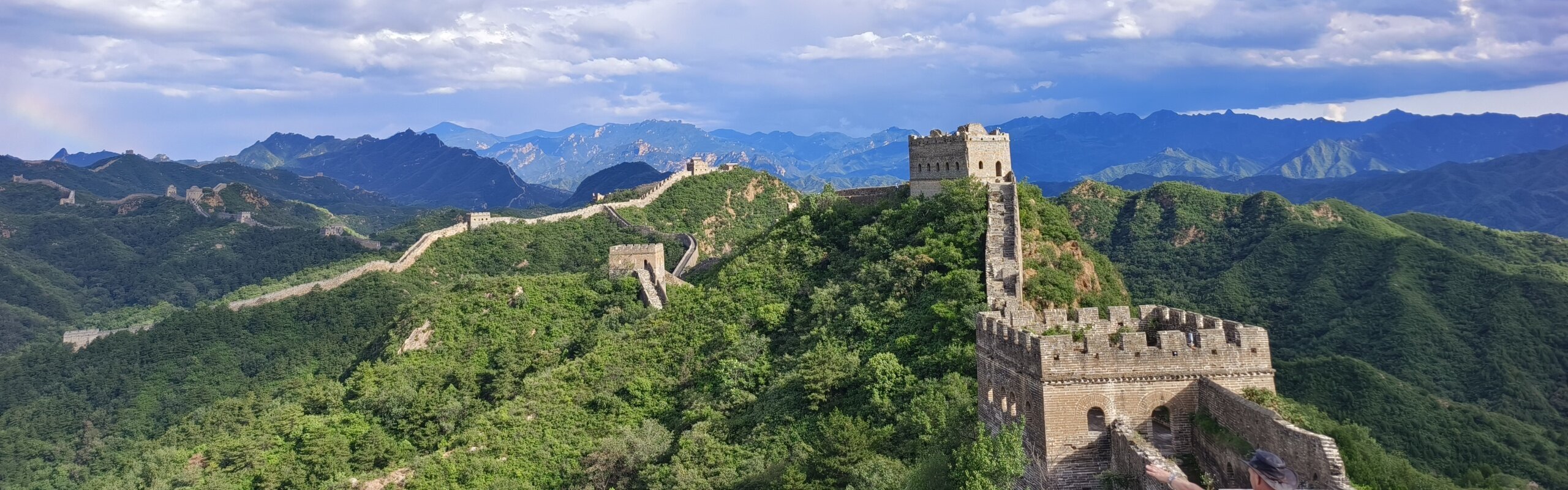

Beijing is one of the best gateways to explore China. It's where ancient dynasties meet modern life, from imperial palaces and the Great Wall to creative neighborhoods and world-famous cuisine.
What truly captivated me during my two visits wasn't just the landmarks, but the life in its hutongs, markets, and everyday moments. It's the kind of city you could easily spend more time exploring.
Beijing now offers visa-free entry for many countries, including the US, UK, EU nations, and Singapore. Visiting has never been easier.
In this guide, I'll share my experience to help you make the most of your time in this fascinating city: where to go, how long to stay, when to come, how to get around, and what it might cost.
Content Preview
- Step 1: Best Things to Do
- Step 2: Trip Itinerary
- Step 3: Best Time to Visit
- Step 4: Where to Stay
- Step 5: How to Travel To/Around
- Step 6: Famous Food
- Step 7: Trip Costs
Step 1: Explore What to Do in Beijing
Beijing offers a rare mix of imperial history, living traditions, and unforgettable flavors. If you're visiting for the first time, here are the top things you simply shouldn't miss.
Walk along or Camp on the Great Wall
A must-do activity in Beijing. I recommend the Mutianyu section, which is the most family-friendly and not too crowded, or the wild Jinshanling/Jiankou section for hiking and camping.
At Mutianyu, I tried the downhill slide, which was amazing! Soaring through the mountains and forests, it's fun, thrilling, and feels very safe. It's something most people, including kids, can enjoy without worry.
 Our guide and guests camped on the Great Wall
Explore the Forbidden City
Step into China's imperial past and wander through its massive palace complex with read walls and yellow roofs.
For an immersive touch, you could dress in Qing Dynasty costume and pose for royal-style photos in restored palace courtyards.
Our guests explored the Forbidden CityExperience Beijing's High-Tech Innovations
At Yizhuang Technology Park, you could try autonomous driving, watch robots at work, and even interact with them yourself. It's a hands-on look at how technology is changing daily life in Beijing, and a interesting way to see the city from a completely different perspective.
The robot is picking up medicineSavor the Summer Palace
Once the royals' summer retreat, this lakeside garden is perfect for a walk or a boat ride. You could stroll past arched bridges and painted long corridors as you imagine life in imperial times.
My favorite spot is Heralding Spring Island, which beautifully frames the best views of the palace—the vast Kunming Lake, Longevity Hill, the Tower of Buddhist Incense, and the surrounding western mountains. Whenever I stand here, I feel very peaceful, and it's undoubtedly one of the best viewpoints in the park.
Heralding Spring Island with Kunming Lake and distant hills in winter, during my visitDiscover the Enchanting Hutongs
These alleys are where Beijing's old charm lives on. You could take a rickshaw ride, visit a local family home, and explore centuries-old temples hidden between grey-brick courtyards. You'll see how history and modern life blend together in these lived-in neighborhoods.
See which hutong you prefer on our list of Top 10 Beijing Hutongs.
HutongsTry Authentic Beijing Roast Duck
A must-try dish with crispy skin and rich flavor. Our guide can recommend trusted restaurants where locals go for an authentic carving experience.
Beijing roast duckVisit the Temple of Heaven
This Ming-era complex is ideal in the early morning. Watch locals doing tai chi, or walk through the grand altars once used by emperors to pray for harvests.
The Hall of Prayer for Good HarvestsFind more detailed information in Beijing's top things to do.
Recommended Beijing Tours
- 3-Day Classic Beijing Tour Itinerary
- 1-Day Jiankou to Mutianyu Great Wall Hiking Tour
- 1-Day Beijing Traditional Food Tour
Feel free to contact us if you want to customize or adjust the itinerary.
Step 2: Decide How Long to Stay in Beijing (4-7 Days Suggested)
I've spent 8 days on one trip and 4 days on another in Beijing. From my experience, four days is just right for a first visit to Beijing if you want to experience its highlights without rushing. Here's a suggested, smart, and well-paced itinerary:
- Day 1: Arrival in Beijing
- Day 2: Discover the Forbidden City and the hutongs.
- Day 3: Hike the Mutianyu Great Wall and visit the Temple of Heaven.
- Day 4: Visit the Summer Palace and departure.
Click to see more details on our 4-Day Emperor's Tour of Beijing.
If you get more time, a 7-day round trip allows you to go beyond the essentials and get a deeper feel for Beijing. Here are some great add-ons to enrich your trip:
1 extra day?
- For families with kids, I recommend spending a full day at Universal Studios Beijing, a hit with both kids and adults.
Universal Studios Beijing- For those interested in shopping, consider visiting Wangfujing for Chinese specialties like tea and silk, or Sanlitun for trendy boutiques and upscale malls.
Sanlitun- Nature lovers could take a scenic boat ride at Longqing Gorge, often called the "Little Guilin" of Beijing—especially great for escaping the summer heat.
The cruise boats of Longqing Gorge2 extra days?
- Enjoy an overnight trip to Gubei Water Town, known for its hot springs and illuminated night walk on the Simatai Great Wall. A great choice for a peaceful break from the city.
Gubei Water TownGet more ideas on How Many Days in Beijing and 9 Best Day Trips from Beijing. We'd be happy to help you customize and adjust your itinerary.
Step 3: Choose the Best Time to Visit Beijing
The best times to visit Beijing are spring (April to May) and autumn (September to early November). These seasons offer the most pleasant weather and the most scenic experiences.
In spring, Beijing warms up with blooming flowers and fresh greenery. You could visit the Yuyuantan park to see cherry and begonia blossoms or walk the Great Wall surrounded by soft spring mist. It's a lively, refreshing season to explore the city's gardens and temples.
Yuyuan ParkIn autumn, the city is at its most beautiful. The skies are clear and the air is crisp. You'll see golden ginkgo trees in the Forbidden City, red maple leaves in Fragrant Hills, and enjoy the Great Wall at its most photogenic. This is also the best time for outdoor walks and photography.
I once visited Beijing in late October to see the ginkgo trees. In the Forbidden City, at the Palace of Prolonging Happiness and around the corner towers, the golden leaves gleamed in the sunlight against the red walls, creating one of the most beautiful autumn scenes you could see in Beijing.
See our 6-Day Beijing Autumn Tour.
Ginkgo trees at the Palace of Prolonging Happiness, captured on my trip in 2025Winter (December to February) is low season, but it has its own charm. You could enjoy fewer crowds, discounted hotel rates, and see Beijing covered in snow if you're lucky. A fun winter highlight is skiing at Nanshan Ski Resort. It is a great option for beginners and families looking for an exciting getaway. Just prepare for dry and chilly air.
SkiI don't recommend summer (July to August) due to heat, humidity, and crowds. However, early June and late August are better windows if summer is your only option as they're slightly cooler and less packed.
Also, try to avoid the May Day holiday (May 1—3) and National Day Golden Week (October 1—7). These are China's peak travel periods, with heavy crowds at all major attractions and harder ticket availability.
Get more information on the Best (and Worst) Time to Visit Beijing.
Step 4: Pick the Best Area to Stay in Beijing
I recommend staying in areas near the Forbidden City, as they offer convenient access to major attractions, transportation, shopping, and dining.
Consider these areas when choosing your hotel:
- Wangfujing Area: Top Choice, with some hotels offering views of the Forbidden City.
- Qianmen/Xidan/Chongwenmen Area: Stay central and enjoy great value.
- Hutong Area: Experience old Beijing life in a courtyard-style setting.
See detailed information on Where to Stay in Beijing.
Step 5: Plan How to Get to/around Beijing
This section will help you know how to travel to and around Beijing.
Get to Beijing
As the capital of China, Beijing is one of the country's main international gateways. It has two major airports:
- Beijing Capital International Airport (PEK): It is about 1 hour from the city center and is used by many traditional international airlines.
- Beijing Daxing International Airport (PKX): A new and beautifully designed airport, about 1.5 hours from downtown, with fewer international flights.
Direct flights connect Beijing to major cities across Asia, Europe, North America, and Oceania. If you're planning a multi-city China tour, Beijing is a great starting or ending point, with high-speed trains and short flights to Shanghai, Xi'an, Chengdu, and more.
If you are taking an international cruise ship, you could arrive at Tianjin International Cruise Home Port and then go to Beijing, which usually takes 3 hours by car.
See more on How to Get from Beijing Airports to Beijing City.
Get Around Beijing
Beijing has an extensive and affordable subway system that connects almost all major attractions. Most stations have signs in English, and trains run frequently throughout the day. If you're comfortable navigating public transport, the metro is a good way to explore the city, especially during off-peak hours.
Taxis and ride-hailing apps like DiDi are also widely available. While they are convenient for short rides, you may encounter language barriers, and finding a car near busy tourist areas could sometimes take extra time.
For a more comfortable and time-saving experience, especially if you're traveling with family, seniors, or a tight itinerary, we can arrange a private vehicle with a local guide. It gives you full flexibility and peace of mind, whether you're heading to the Great Wall or hopping between city sights.
Is Beijing Wheelchair-Friendly?
Yes. Beijing is increasingly accessible, and with the right planning, it can be a rewarding and comfortable destination, even if you or someone in your group uses a wheelchair.
Many of the city's top attractions offer wheelchair-friendly access. The Forbidden City has smooth walkways and ramp access at key spots. Some halls still involve stairs, so companions might be helpful to navigate the more challenging areas.
The Temple of Heaven and Summer Palace also have designated accessible routes. At the Summer Palace, you could even enjoy a relaxing boat ride on Kunming Lake, assisted by on-site staff. It's a great way to take in the scenery without walking long distances.
Our guests in wheelchairs visited the Temple of HeavenAs for the Great Wall, most sections are too steep, but Juyongguan (Juyong Pass) is a rare exception. It offers a flat, paved area and ramp access at the base, allowing wheelchair users to enjoy the ancient atmosphere without climbing.
Getting around Beijing with a wheelchair is possible but may require extra planning. While central sidewalks are wide and curb ramps are common, public transport like subways and taxis may still pose some inconvenience.
If you need accessibility support, we can tailor your itinerary with barrier-free hotels, slower-paced touring, and a private vehicle equipped for wheelchairs, so you could enjoy Beijing with ease and confidence.
Step 6: Discover What and Where to Eat in Beijing
Beijing is not only rich in history but also full of unforgettable flavors. Of course, Beijing roast duck is the must-try classic. But beyond that, the city offers a world of authentic local dishes worth exploring.
Personally, I really enjoy a steaming copper-pot lamb hotpot, juicy Doornail Meat Pie, and a bowl of rich zhajiangmian (noodles with savory soybean paste), dishes you could easily fall in love with on your first visit.
If you have a sweet tooth, don't miss the tanghulu (colorful candied haws on a stick), a favorite local street treat.
A hawthorn and glutinous rice tanghulu at Huguosi Snack Street, which I sampled on my tripFor something more unusual, you might try douzhi (fermented mung bean juice) and luzhu huoshao (pork stew with bread). Their flavors may surprise you, but they are long-time favorites among Beijing locals.
Douzhi, a traditional Beijing local specialty, during my tripFor the best street food experiences, head to Nanluoguxiang, Huguosi Snack Street, or Qianmen Street, where time-honored flavors meet lively local life. Whether you're snacking or dining, these places are great for tasting Beijing in bite-sized form.
Explore the food and street food markets of Beijing in our Top 10 Must-Try Beijing Foods and Top 5 Beijing Snack Streets.
Step 7: Estimate Your Travel Budget
A trip to Beijing can be surprisingly affordable, even for a private, well-arranged tour. Typically, a private Beijing tour for 2-4 people costs around USD 200 per person per day, including accommodation, transportation, entrance tickets, meals, and the services of a private guide and driver. (International flights not included.)
Your actual costs will vary depending on your choice of hotel, transportation style, dining preferences, and whether you're visiting during a major Chinese holiday like Labor Day (May 1-5) or National Day (October 1-7), when prices can surge by 50% or more.
I recommend booking 2-3 months in advance to enjoy better availability and early booking rates. If you book with us, you'll also benefit from a flexible cancellation policy with 100% refunds up to 3 weeks before departure.
Reference Prices for a Trip to Beijing
International flights to Beijing
- An one-way direct flight (economy) from the USA: USD 600-836
- An one-way direct flight (economy) from the Singapore: SGD 200-450
Domestic transport to Beijing
- An one-way direct flight (economy): USD 80-230/SGD 103-296
- An one-way high-speed train (2nd class, within 4 hours): USD 15-85/SGD 18-107
Hotels in Beijing (per night)
- 3-star/Economy: USD 40-80/SGD 51-103
- 4-star/Boutique: USD 80-200/SGD 103-257
- 5-star/Luxury: USD 200-500/SGD 257-642
Meals (per person)
- Street snacks: USD 1.5-5/SGD 2-6
- Good restaurant: USD 7-14/SGD 9-18
- Fine dining: USD 30-60/SGD 39-71
Getting Around
- Subway: USD 0.5-1.2/SGD 0.6-1.5
- Bus: USD 0.15-0.7/SGD 0.2-0.9
- Taxi: Starting at USD 2/SGD 2.6 for 3 km (1.8 mi), and thereafter cost 0.3 USD/ SGD 0.4 per km (per 0.6 mil)
Entrance Fees for Top Attractions
- Most tickets: USD 5-15/SGD 6-19
- Free sights include Tiananmen Square, the hutongs, Houhai Lake, and the 798 Art Zone